

Need For Meat is a part of Amazon Associates. As an Amazon Associate, we earn from qualifying purchases. Read our Affiliate Disclosure to learn more.
If your beef stew often turns out a bit flat, like it’s missing something, chances are you’re not doing anything wrong, but you’re also not doing the things that bring out the full flavor.
I make beef stew all the time. Different styles — goulash, čobanac, hunter-style, you name it. Over the years, I’ve picked up a few beef stew tips that seriously level up the taste.
Yes, it might cost a bit more. Yes, it might take longer. But the flavor? 100% worth it.
Let’s see 9 tips that will make your beef stew taste better.
Pick the Right Cut and Buy from a Butcher
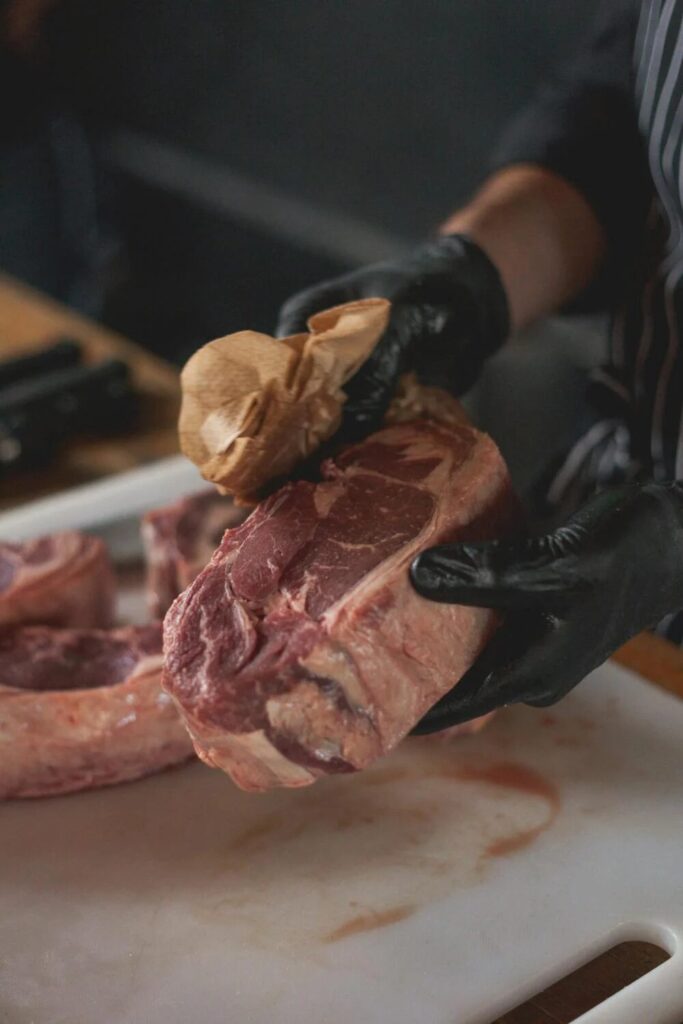
The cut of beef you use makes a huge difference — not just in texture, but in flavor.
If you’re buying pre-packed stew meat from a supermarket, you’re already at a disadvantage. It’s usually lean, dry, and trimmed to death. What you want is a cut with a bit of fat and connective tissue — something that breaks down slowly and gives that rich, silky texture.
My go-to is chuck (shoulder). It’s got the perfect balance of meat and fat. Sometimes I mix it with a bit of round (from the leg) if I want it leaner, but honestly, chuck on its own is king for stew. Neck is another underrated one — lots of flavor, if you can get it.
Hey friend, check out my recommendation for knife sharpeners
No products found.
As an Amazon Associate, I earn from qualifying purchases (at no extra cost to you).
And yes, get it from a butcher if you can. You’ll usually get fresher meat, better cuts, and you can ask for exactly what you want. That alone already puts you ahead of 90% of recipes online.
Use More Onion Than You Think
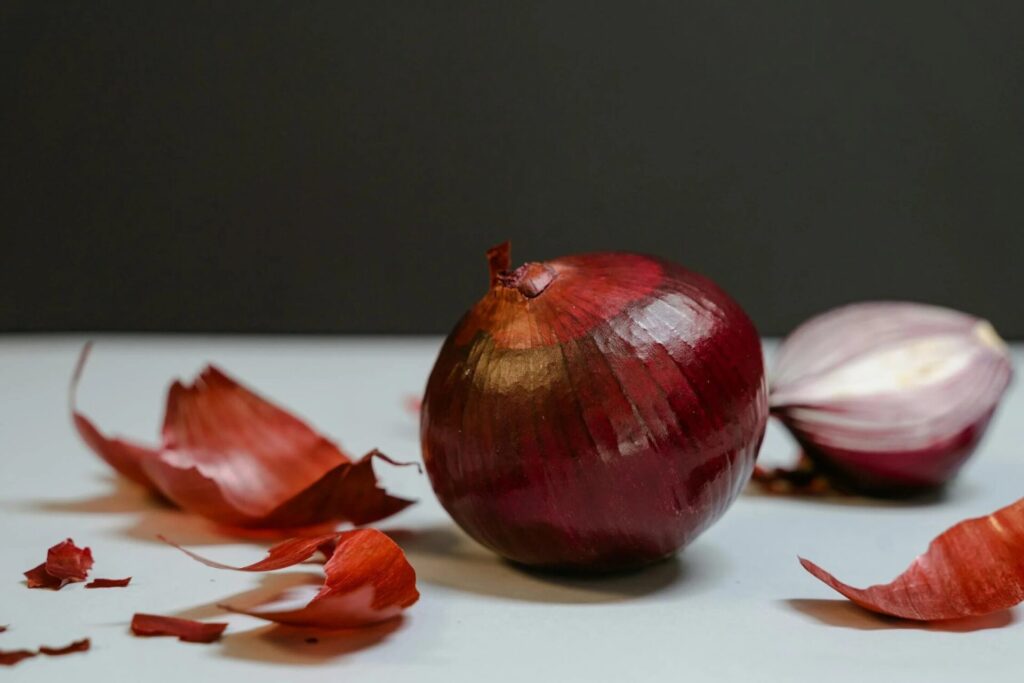
Most people treat onions like a background flavor — something to just sauté and forget. But in beef stew, onion is the base. It gives sweetness, depth, and body. Skip it or go light, and your stew ends up thin and boring.
Here’s my rule: half as much onion as meat, by weight.
So if you’re using 1 kg of beef, use 500 g of onion. It might seem like a lot, but it cooks down, melts into the sauce, and gives that stew its richness.
Don’t worry about chopping it perfectly. It’s going to break down anyway. Just get it in the pot, let it soften slowly, and let it do its job.
Don’t Cheap Out on Canned Tomatoes
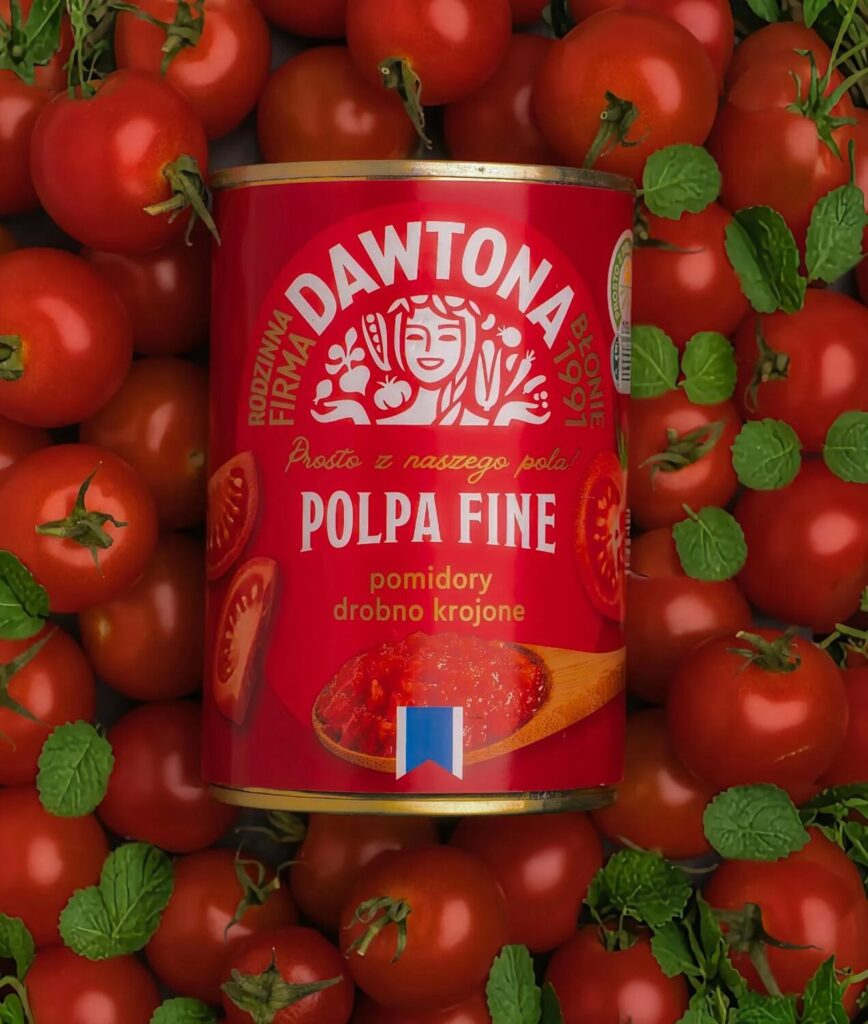
If you’re using canned tomatoes or passata, quality matters. Cheap brands are often watery, acidic, and just… dull. They add color, but not much else.
When I’m in a rush, I sometimes grab the cheap stuff — and every time, I regret it. The flavor just isn’t there.
Spend a little more and get thicker, richer tomatoes with real taste. Suppose you can, go for San Marzano or a good passata. And if you want even more texture, finely chop some real tomatoes and throw them in with it.
You’ll notice the difference immediately — deeper flavor, better consistency, and no weird sour aftertaste.
Grated Carrot is Your Secret Weapon
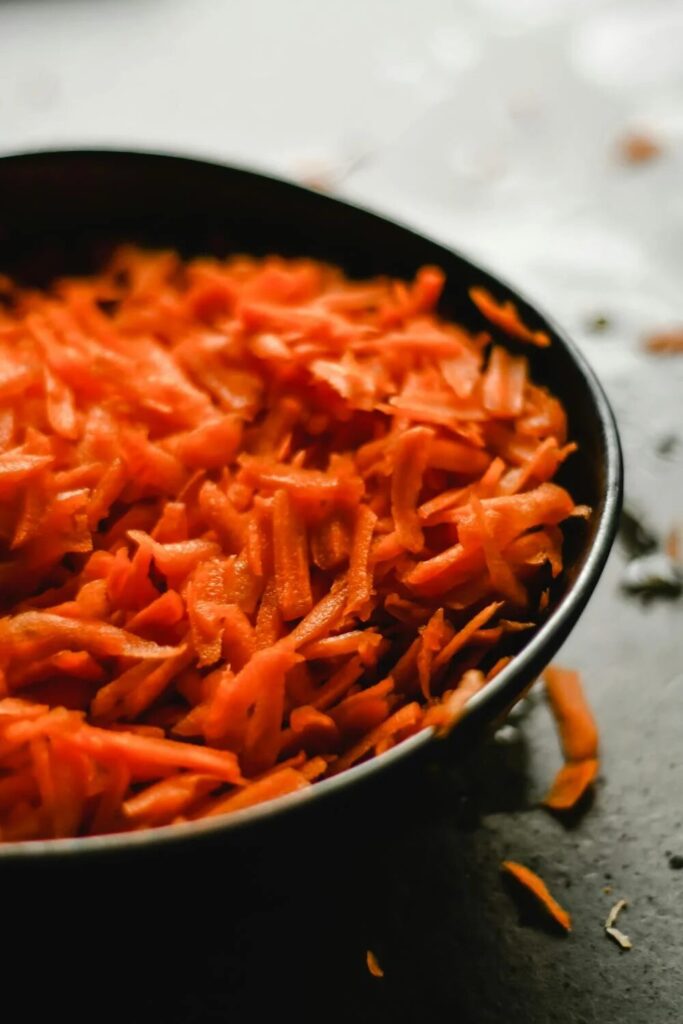
Carrot doesn’t just add sweetness — it brings balance. It smooths out the acidity from tomatoes and adds natural depth to the sauce.
I always use it in my beef stew, even if the recipe doesn’t call for it.
And here’s the trick: grate it instead of chopping.
Hey friend, check out my recommendation for butcher knives
No products found.
As an Amazon Associate, I earn from qualifying purchases (at no extra cost to you).
When grated, it disappears into the stew. You get all the flavor and none of the carrot chunks. It also helps thicken the sauce naturally as it breaks down during cooking.
Simple move. Big payoff.
Good Paprika Makes a Huge Difference
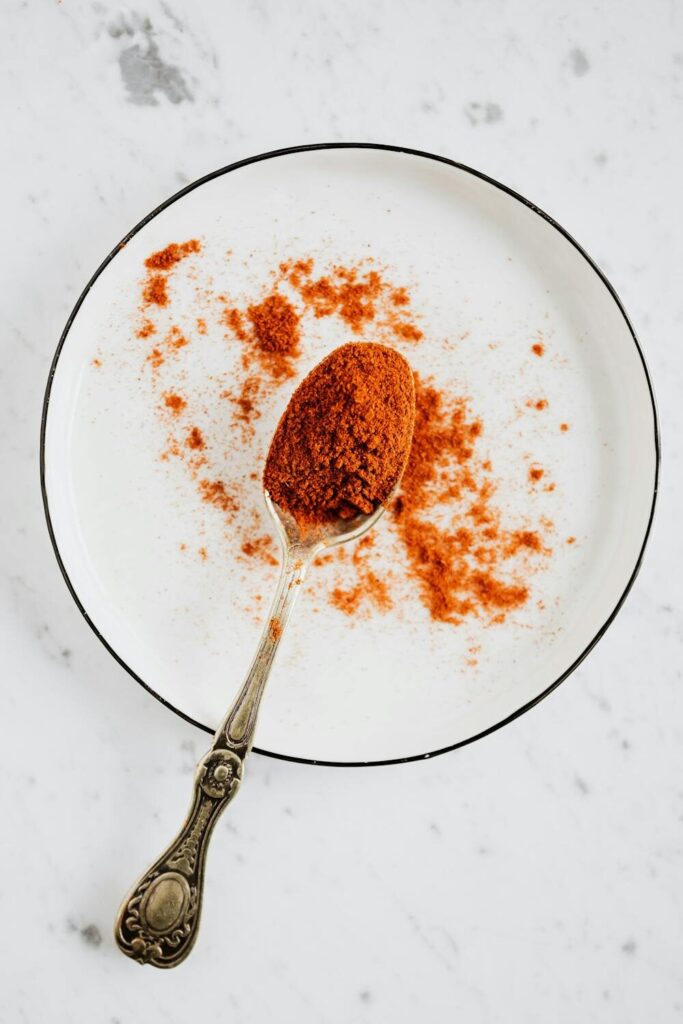
Paprika isn’t just a color booster — it’s a core flavor in any good beef stew. But there’s a massive difference between cheap, dusty paprika and the real stuff.
I always use a mix:
- Sweet paprika for depth
- Hot paprika for a subtle kick
- Smoked paprika for that earthy, rich background
You don’t need a ton — just make sure it’s fresh and high-quality. Bad paprika can make your stew bitter or flat. Good paprika brings warmth, sweetness, and a layered flavor that makes people ask what your “secret ingredient” is.
Spend the extra few bucks. It’s worth it.
Keep the Heat Low and Steady

One of the easiest ways to ruin a beef stew is by cooking it too hard, too fast.
I used to do this myself — crank the heat, thinking it’ll be done quicker. What actually happens? The liquid boils off too fast, the meat tightens up, and the flavors don’t have time to blend.
The stew should gently simmer, not bubble like crazy. On my electric stove, I brown the meat at 7 or 8 (out of 9), then drop it down to 3–5 once everything’s in the pot. You want small bubbles, slow cooking, and a lid to keep moisture in.
This gives you tender meat and a sauce that actually tastes like something.
Cook It Longer Than You Think
Yes, you can make beef stew in 60 to 90 minutes.
But if you stop there, you’re missing out on what it could be.
The difference between good and amazing is time. I aim for at least two hours, sometimes more. The meat breaks down better, the sauce gets richer, and everything just comes together.
It’s the same rule I follow with Bolognese: the longer it simmers (gently), the deeper the flavor.
Trust me — don’t rush it. Let it do its thing.
Add Red Wine at the Right Moment

Red wine isn’t just fancy flair — it adds depth, a bit of acidity, and rounds out the whole stew.
But timing matters.
I add wine right after browning the meat, once it’s released its juices and the bottom of the pot has all those browned bits. Pour in the wine, stir, and let it reduce before adding water or broth. That way, the alcohol cooks off and you keep all the flavor.
Don’t just dump it in at the end — it won’t have time to blend.
Use a dry red, nothing too fancy. If it’s good enough to drink, it’s good enough to cook with.
A Touch of Plum Makes It Richer
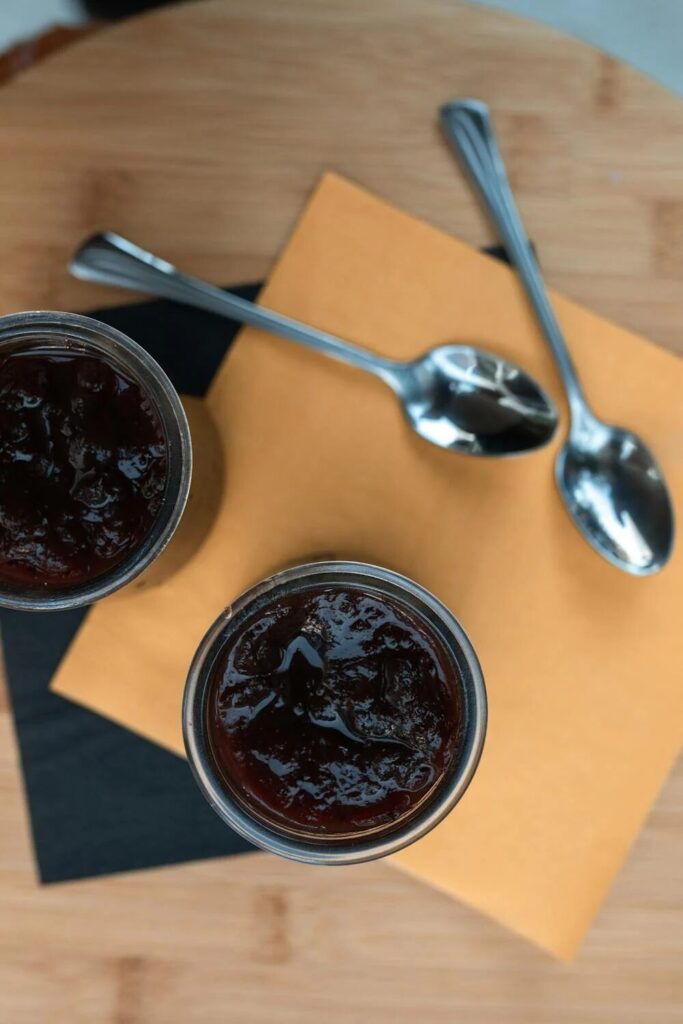
This one’s not for every stew, but when you want that extra layer of flavor, it works like magic.
I’m talking about adding dried plums or a spoonful of plum jam. Just a little—not enough to make it sweet, but enough to round out the flavors and add a subtle depth.
It works especially well in darker, hunter-style stews. But you have to be careful — too much, and it’ll overpower everything. I’ve done that once. Never again.
If you’re trying it, go for dried plums or real plum jam, not some fake sugar bomb. One spoon is usually enough.
Got your own little beef stew tricks? Let me know in the comments — always up for learning something new (or arguing about onions 😄). And if this helped you, share it with a friend who still makes stew that tastes like boiled socks.


