

Need For Meat is a part of Amazon Associates. As an Amazon Associate, we earn from qualifying purchases. Read our Affiliate Disclosure to learn more.
I’m not an extreme raw meat eater, but I won’t lie—I love it. There’s something special about the texture, the rich, unaltered flavor, and the way it melts in your mouth.
My absolute favorite? Beef tartare. Give me a plate of well-seasoned raw beef with a raw egg yolk on top, and I’m in heaven.
Of course, not everyone shares my enthusiasm.
Some people are horrified at the thought of eating raw meat, convinced it’s a one-way ticket to food poisoning. Others swear by it, claiming it’s the purest way to enjoy meat.
So, what’s the truth? Is eating raw meat a dangerous gamble or an underrated delicacy?
Let’s dig in.
Why Do People Love Raw Meat?
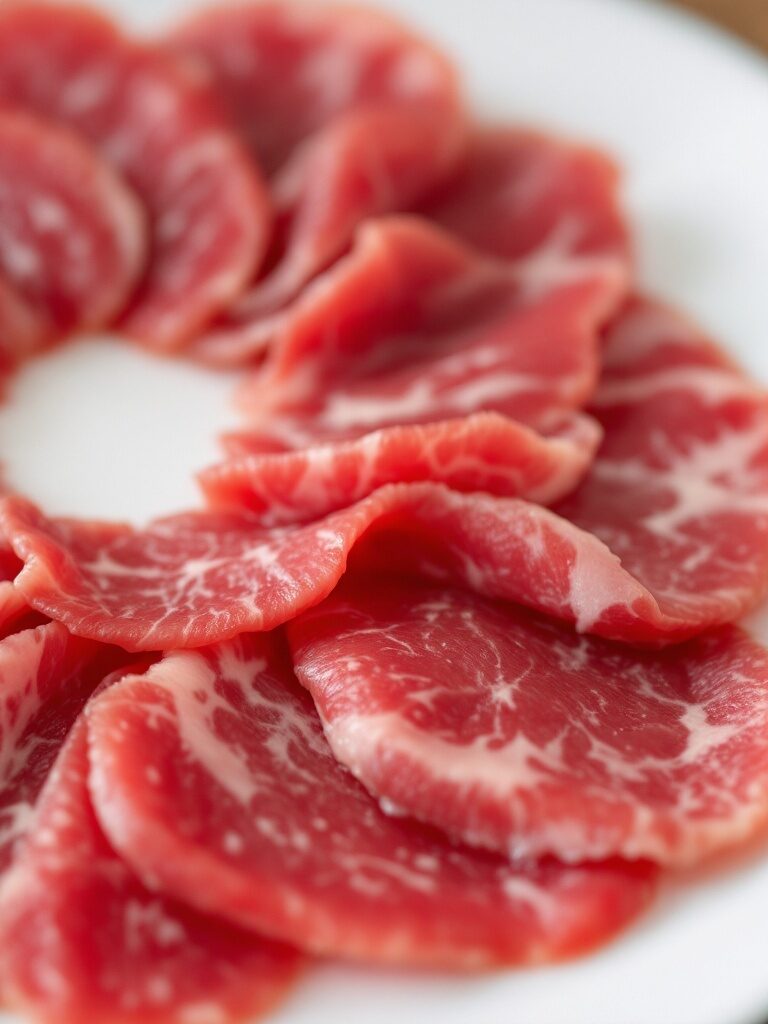
I’ll be honest—raw meat isn’t something I eat all the time. Sure, you could eat it every day, but let’s be real… most people don’t.
Hey friend, check out my recommendation for knife sharpeners
No products found.
As an Amazon Associate, I earn from qualifying purchases (at no extra cost to you).
It’s more of a once-in-a-while treat, usually in a top-notch restaurant or a carefully prepared dish at home. That’s part of the appeal—it feels special.
Another thing? It’s not what we’re used to. Most of us grew up eating meat cooked in some way—grilled, roasted, pan-fried—so eating it raw feels… different. Not in a bad way, just unexpected.
It’s a new way to experience meat, one that’s all about the pure flavor and texture. No char, no crust, no smoky aroma—just meat in its purest form.
And here’s the biggest reason I love it: you know you’re getting the best of the best. You can’t just grab any random steak and eat it raw—you need top-quality meat, the kind that’s fresh, clean, and carefully handled.
That makes it feel like you’re getting something elite, something not everyone gets to enjoy. And honestly? That’s kind of cool.
Which Meats Can Actually Be Eaten Raw?
When it comes to eating raw meat, some animals are simply safer to eat than others. Certain meats are traditionally consumed raw in different cultures, while others come with serious risks.
✅ Meats You Can Eat Raw
- Beef – The undisputed king of raw meat. Dishes like beef tartare and carpaccio are famous worldwide, and when sourced from high-quality cuts, raw beef is among the safest meats to eat. But not all beef cuts are created equal—if you’re curious about which ones offer the best flavor, tenderness, and value, we ranked the top options.
- Fish – Sushi and sashimi are prime examples, but not all fish are safe to eat raw. Tuna, salmon, and yellowtail are commonly consumed raw, but only when properly frozen to eliminate parasites.
- Lamb – While not as common as beef, some cultures eat raw lamb, like Ethiopian kitfo (minced raw lamb or beef).
- Venison – Wild game like deer can be eaten raw, but only under strict conditions where freshness and handling are carefully controlled.
- Horse – In Japan, basashi (thinly sliced raw horse meat) is considered a delicacy. It’s sweet, lean, and often served with soy sauce and garlic.
❌ Meats You Should NOT Eat Raw
🚫 Chicken – Too much risk of salmonella and Campylobacter. Not worth it.
🚫 Pork – High risk of parasites like trichinella, though some cultures eat it raw in rare cases.
🚫 Turkey & Duck – Similar risks to chicken, with high chances of bacterial contamination.
If you’re going raw, stick to beef, fish, or certain game meats. Anything else? You’re playing with fire.
If you’re debating between different meats, we broke down which one truly reigns supreme.
The Most Famous Raw Meat Dishes – Tartar, Carpaccio, And Kitfo
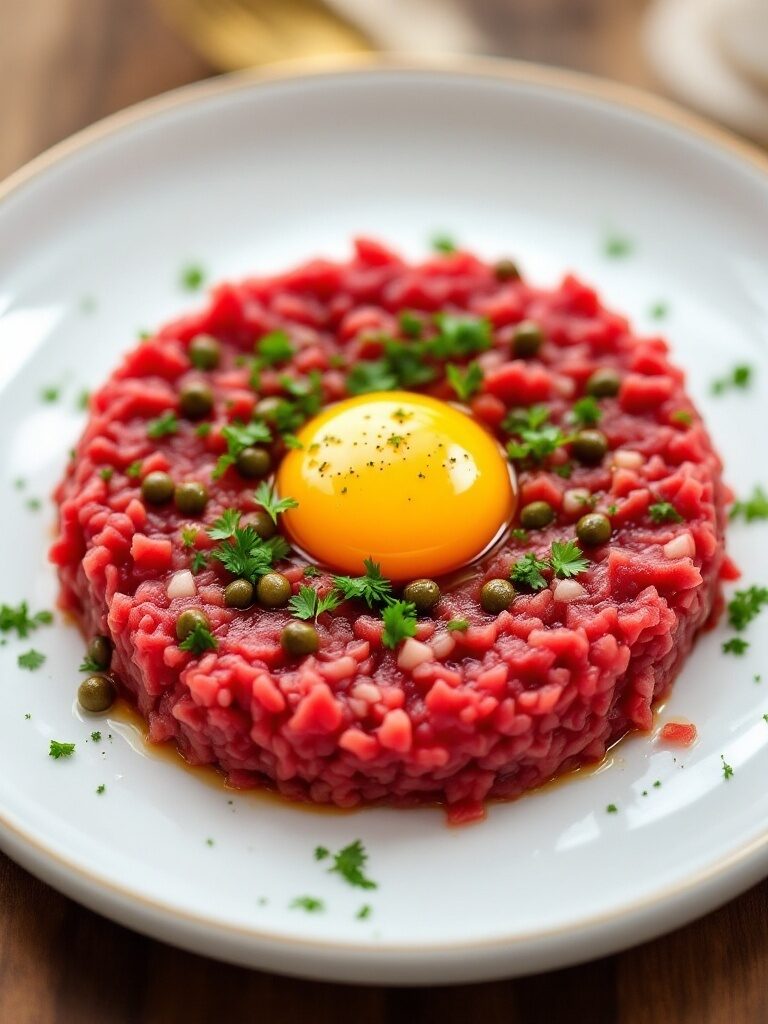
Raw meat dishes exist in cultures all over the world, but three stand out as the most famous: tartar, carpaccio, and kitfo. Each has its own unique preparation, texture, and flavor, but they all showcase one thing—the purest taste of meat, completely unmasked.
🥩 Beef Tartar – The King of Raw Meat Dishes
Tartar (or tartare) is probably the most well-known raw meat dish, and for good reason—it’s simple, elegant, and packed with flavor. Traditionally made with finely chopped or ground beef, it’s mixed with seasonings like salt, pepper, mustard, capers, onions, and sometimes Worcestershire sauce. The final touch? A raw egg yolk on top, making it extra creamy and rich.
Hey friend, check out my recommendation for butcher knives
No products found.
As an Amazon Associate, I earn from qualifying purchases (at no extra cost to you).
Tartar is served in fine-dining restaurants worldwide, but for real meat lovers, it’s more than just a fancy dish—it’s a true showcase of high-quality beef.
🍖 Carpaccio – Thin, Elegant, and Full of Flavor
Carpaccio is another raw beef dish, but instead of being minced like tartar, it’s sliced paper-thin. Originating in Italy, classic beef carpaccio is usually drizzled with olive oil, lemon juice, and parmesan shavings. The result? A light, delicate, and flavorful dish where every bite melts in your mouth.
Unlike tartar, which is more rustic and hearty, carpaccio is about refinement. It’s meant to highlight the quality of the meat with minimal seasoning.
🐑 Kitfo – Ethiopia’s Take on Raw Meat

Kitfo is Ethiopia’s version of steak tartare, but with a twist. Instead of serving it completely raw, the minced beef (or lamb) is often lightly warmed in clarified butter and mixed with spices like mitmita (a blend of chili, cardamom, and cloves).
It’s traditionally served with injera (Ethiopian sourdough flatbread) and sometimes ayib (a mild Ethiopian cheese). Kitfo has a deep, rich flavor thanks to the butter and spices, making it a unique take on raw meat that’s both comforting and bold.
Other Popular Raw Meat Dishes Around the World
Beyond these three classics, many cultures have their own raw meat specialties:
- Basashi (Japan) – Thinly sliced raw horse meat, often served sashimi-style.
- Mett (Germany) – Raw minced pork, spread on bread with onions (not recommended outside Germany due to safety concerns).
- Ossenworst (Netherlands) – A raw beef sausage, originally made with smoked beef.
- Yukhoe (Korea) – Korea’s answer to steak tartare, but with soy sauce, sesame oil, and pears for sweetness.
No matter where you go, raw meat dishes have a long history and passionate fans. But to truly appreciate them, you need top-quality meat and the right preparation.
Extreme Raw Meat Dishes
When it comes to raw meat dishes, some push the boundaries beyond the familiar steak tartare or carpaccio.
One of the most unique (and controversial) raw meat dishes is Serbia’s Živa Pljeskavica, which literally means “raw patty.” It’s made from ground veal mixed with spices like salt, pepper, smoked paprika, and chopped onions—but it’s served completely raw.
For some, it’s a delicacy. For me? It’s overkill. I love raw meat, but eating a full, thick patty of raw ground beef just doesn’t sit right with me. That said, it’s definitely an interesting part of Serbian food culture.
@lule_eats Živa pljeskavica u lepinji u lokalu Kod Pedje u Valjevu !
♬ original sound – Luka Rosandic
Other Extreme Raw Meat Dishes
If you think raw beef tartare is intense, wait until you hear about these:
- Mett (Germany) – A raw minced pork spread, typically eaten on bread with onions. Given the risks of raw pork, this one is definitely not for everyone.
- Cannibal Sandwich (USA – Wisconsin) – A Christmas tradition featuring raw ground beef on bread with onions and spices. Health officials strongly warn against it, but that doesn’t stop some people from keeping the tradition alive.
- Basashi (Japan) – Thinly sliced raw horse meat, served sashimi-style with soy sauce and garlic. It’s considered a delicacy, but definitely not something you’ll find everywhere.
- Koi Soi (Thailand) – A raw beef salad mixed with fish sauce, chili, and fresh herbs. Some variations even include raw blood for extra richness.
Some of these dishes are cultural staples, while others are more niche traditions that even locals don’t eat regularly. Either way, they prove that raw meat eating goes way beyond tartare and carpaccio.
If you’re the type of person who takes pride in having next-level taste in meat, you might just be a certified meat snob.
Would you try any of these? I know Živa Pljeskavica is a hard no for me.
Are the Risks Real or Overblown?

I won’t sugarcoat it—eating raw meat comes with risks.
Bacteria like E. coli, Salmonella, and Listeria can be present, and there’s also the possibility of parasites like Toxoplasma gondii or tapeworms. That’s why the USDA strictly advises against eating raw or undercooked meat.
But here’s the thing—millions of people eat tartare, carpaccio, and sushi regularly without getting sick.
The difference? It all comes down to meat quality and handling.
If you’re eating low-quality meat from questionable sources, then yeah, you’re playing with fire. But if the meat is fresh, properly sourced, and handled with care, the risks drop significantly.
Some people claim that raw meat is healthier, more nutrient-dense, or easier to digest.
Honestly? There’s not much solid science to back that up.
For me, the real appeal is the flavor, texture, and experience—not some magical health benefit.
So, is raw meat dangerous? It can be. But if you know what you’re doing, it’s not the reckless gamble some make it out to be.
Follow This If You Want To Eat Raw Meat
Look, I love raw meat—but only when it’s done properly. If you just grab any random steak or, even worse, supermarket ground beef and dig in, you’re asking for trouble. The key to eating raw meat safely is knowing exactly where it comes from and handling it with care.
Where to Get Raw Meat (And Where to Avoid It)
If you’re going to eat raw meat, at least do it the right way.
✅ Stick to Trusted Sources
If I’m eating raw meat, I make sure it comes from one of these:
- High-quality butcheries – A good butcher is your best friend. They know their meat, and they don’t cut corners.
- Top-tier restaurants – If a restaurant serves tartare or carpaccio, they’re following strict food safety rules (or at least, they should be).
- Farm-to-table or ranch-sourced meat – If you have access to fresh meat straight from a well-managed farm, that’s as good as it gets.
- Homemade (if you know what you’re doing) – Grinding your own beef from a fresh, high-quality cut is always safer than trusting pre-packaged ground meat.
❌ Avoid These at All Costs
- Supermarket ground beef – I don’t care how good it looks—store-bought ground beef is a bacterial playground. If you want tartare, buy a whole cut and grind it yourself.
- Shady restaurants or street vendors – If a place looks questionable or you’re not sure how fresh their meat is, don’t risk it.
- Old or improperly stored meat – Raw meat needs to be fresh and kept cold. If it’s been sitting around too long, don’t even think about it.
How to Eat Raw Meat as Safely as Possible
Even if you get top-quality meat, you still need to handle it the right way.
Here’s what I always do to lower the chances of getting sick:
✅ Source High-Quality Meat – Not all meat is created equal. If I’m eating raw, I get it from a butcher I trust. Forget about raw supermarket ground beef—just don’t.
✅ Proper Handling & Storage – Raw meat needs to be kept cold at all times. I make sure it stays refrigerated and never let it sit out for too long. Cross-contamination? No way. I keep it separate from other foods.
✅ Hygienic Preparation – I always use clean utensils, cutting boards, and surfaces. Some people use acid marinades (like lemon juice or vinegar) to help reduce bacteria, but let’s be real—this won’t kill everything. It’s an extra step, not a magic fix.
Related: Should We Feel Guilty For Loving Meat?
Final Rule: If You Have Any Doubts, Don’t Eat It
Raw meat is amazing, but if something feels off—whether it’s the smell, texture, or source—I skip it.
It’s not worth the risk.
Stick to trusted sources, fresh meat, and proper preparation, and you can enjoy raw meat the way it’s meant to be.
Would you eat raw meat, or is it a hard pass for you? Let me know!


