

Need For Meat is a part of Amazon Associates. As an Amazon Associate, we earn from qualifying purchases. Read our Affiliate Disclosure to learn more.
Carnivore is blowing up on social media. Meat-only diets, insane transformations, and bold claims – no plants, no carbs, just meat.
It sounds simple, but is it really the best way to eat?
I’ve done keto and felt amazing, so I get the appeal. But after digging into the research, I found that going full carnivore has some serious downsides – ones most influencers won’t mention.
Before you cut out everything but meat, here’s what you need to know.
Why Carnivore Sounds Like the Perfect Diet
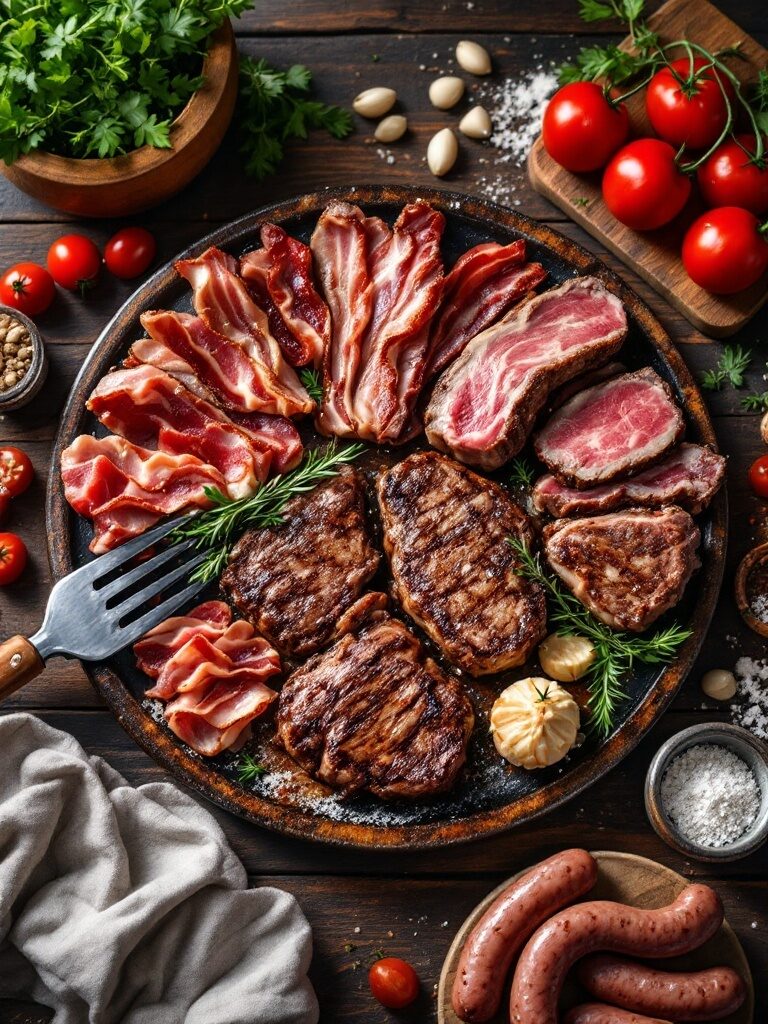
On the surface, carnivore seems like the ultimate no-nonsense diet. No counting carbs, no long grocery lists—just meat, eggs, butter, and maybe some dairy. It’s appealing because:
- It’s straightforward – No complex meal prep, just cook animal foods and eat.
- No food tracking – No worrying about macros, ratios, or meal timing.
- Eliminates cravings – Cutting out carbs often leads to fewer hunger swings.
Then there are the bold health claims. Many people report:
- Rapid weight loss – Since you’re cutting out carbs entirely.
- Mental clarity & focus – No sugar crashes, just steady energy.
- Better digestion – No fiber or plant-based irritants.
- Autoimmune relief – Some claim it helps with inflammation and gut issues.
Big names like Joe Rogan have experimented with carnivore, sharing impressive results—weight loss, better energy, and less inflammation. Others, like Dr. Shawn Baker and Mikhaila Peterson, are hardcore carnivore advocates, swearing by its benefits.
Hey friend, check out my recommendation for knife sharpeners
No products found.
As an Amazon Associate, I earn from qualifying purchases (at no extra cost to you).
I totally get why this diet is catching fire online – especially when you compare it to the fake meat industry, which will never truly satisfy a real appetite.
For some people, it truly does work. But does that mean it’s the best long-term solution? Not so fast.
The Big Problems With Going Full Carnivore

Carnivore has its benefits, but let’s be real—it’s not all steak and sunshine.
Here’s where things get tricky:
💰 Cost: Quality Meat Isn’t Cheap
Many carnivore influencers swear by grass-fed, pasture-raised meat, saying it’s the only way to do it right.
And while we can all agree it’s the best option, it’s also expensive. If you’re eating nothing but meat every day, your grocery bill adds up fast—especially if you’re aiming for high-quality cuts.
🥦 Lack of Fiber & Nutrients
Some people thrive on just meat. Others? Not so much. Cutting out fruits, veggies, and other whole foods means missing out on fiber, vitamins, and plant-based antioxidants. While animal foods are nutrient-dense, some people experience digestive issues, low energy, or deficiencies over time.
⏳ Long-Term Sustainability
Sure, eating only meat for a few months might feel great. But can you really stick to it for years? Most people eventually hit a wall—whether it’s cravings, boredom, or just wanting more variety in their diet.
🍽️ Variety & Enjoyment
Let’s be honest—eating only meat can get boring. Even the most hardcore meat lovers might start missing some cheeses, fruit, and veggies. There’s nothing wrong with loving meat, but strict carnivore removes a lot of foods people genuinely enjoy.
🌍 Social & Practical Challenges
- Eating out? Good luck finding an all-meat option at most restaurants.
- Family meals? Not everyone wants to live on ribeyes.
- Cravings? Even die-hard carnivores admit they sometimes miss carbs.
Going carnivore isn’t impossible, but it’s definitely not as easy as some influencers make it seem. And for most people, that’s where the problem lies.
Hey friend, check out my recommendation for butcher knives
No products found.
As an Amazon Associate, I earn from qualifying purchases (at no extra cost to you).
A Smarter Alternative: Animal-Based, Whole-Food Eating
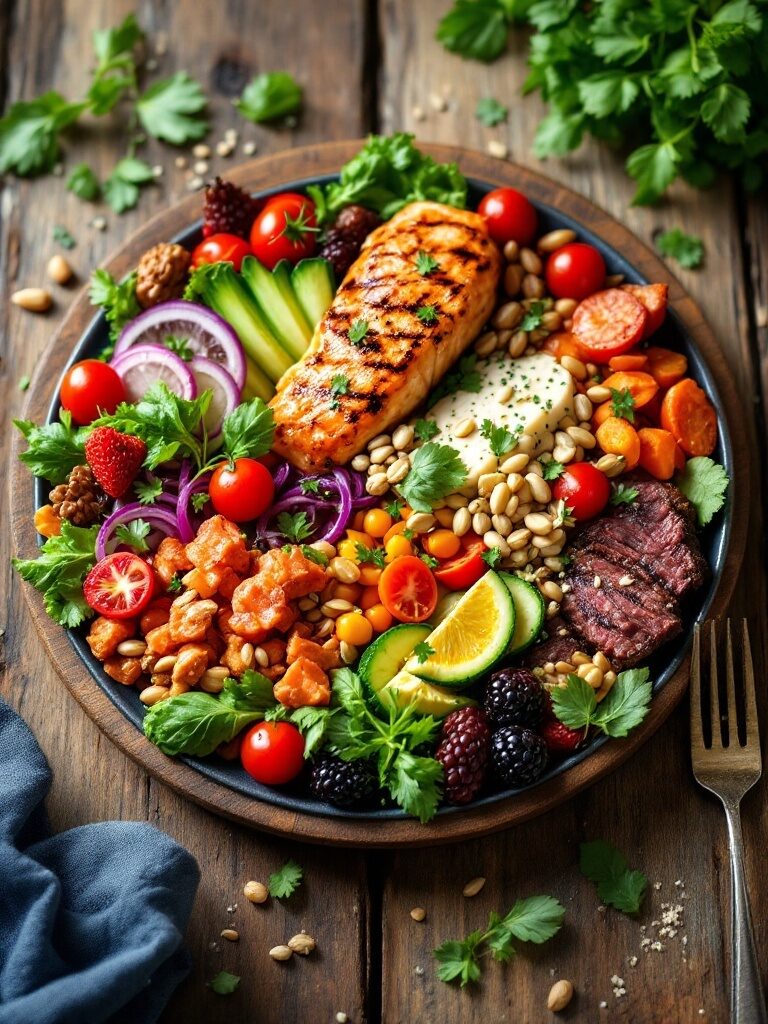
In my opinion, the best approach isn’t extreme—it’s balanced and sustainable. I think people should focus on whole, nutrient-dense foods while keeping meat as the foundation.
Here’s what I personally believe works best:
- ✅ Prioritize animal foods: Meat, fish, eggs, dairy, butter, and animal fats like tallow.
- ✅ Include natural whole foods: Honey, olive oil, and select fruits & veggies.
- ✅ Great fruit & veggie options: Paprika, tomatoes, spinach, kale—foods that are nutrient-dense and easy to digest.
- ❌ Avoid processed junk: Cereals, corn, seed oils, and anything ultra-processed.
This way, you get the best of both worlds—the benefits of carnivore (high-quality animal foods) without the downsides of extreme restriction.
It’s easier to stick to, covers all your nutritional bases, and still lets you enjoy a variety of foods.
For me, balance beats extremes every time.
Conclusion: Meat First, But Not Meat Only
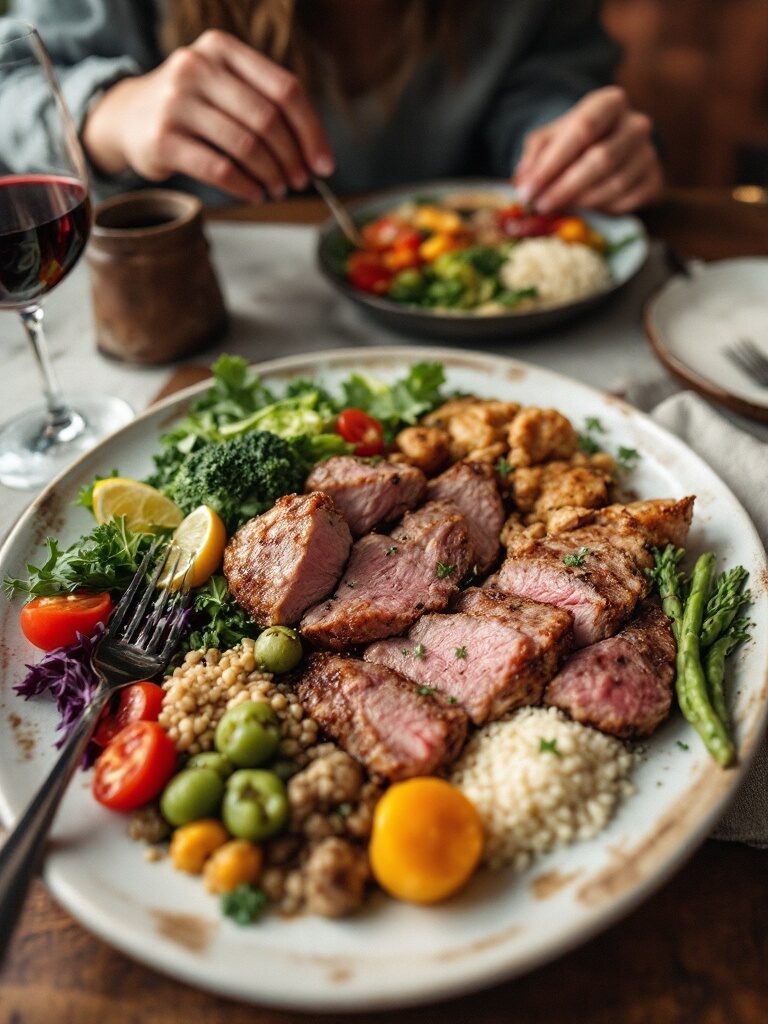
I love meat. It’s the most nutrient-dense, satisfying, and natural food you can eat. But that doesn’t mean it has to be the only thing on your plate.
Carnivore can work for some people, but for most, it’s just not practical or sustainable long-term. Instead of going all-in on extremes, a whole-food, animal-based approach makes way more sense.
Meat first? Absolutely. But meat only? Not necessary.
What do you think? Have you tried carnivore, or do you prefer a more balanced approach? Drop a comment and let’s talk!


