

Need For Meat is a part of Amazon Associates. As an Amazon Associate, we earn from qualifying purchases. Read our Affiliate Disclosure to learn more.
I’m sure you’ve sometimes looked at your grocery bill and thought, “How did I spend so much, and I only bought meat?”
You’re not imagining things – supermarkets are great at getting you to pay more than you should. Tiny packages, overpriced pre-cuts, and flashy “discount” labels all add up.
The good news? You don’t have to fall for it. With a few smart tricks, you can save money, eat better, and never feel ripped off again.
The Supermarket Pricing Tricks That Get You Every Time

Supermarkets are experts at making you spend more, especially when it comes to meat. Here are some of their most common tricks—and how to avoid them:
- Small Packages, Big Prices
Ever notice how pre-packed meat often comes in portions that aren’t quite enough for two people? That’s on purpose. You end up buying two packages, and suddenly your meal costs twice as much. Instead, look for larger cuts or whole pieces of meat and portion them yourself at home. - Flashy “Discounts”
A tiny 5% discount with a big red sticker? It’s not a real deal, but it’s enough to catch your eye. Don’t assume something is cheaper just because it’s labeled as “on sale.” Check the price per kilogram or pound to see if it’s actually worth it. - Pre-Cut Convenience
Those trays of meat labeled “for goulash” or “ready to cook” might save you a little time, but they cost way more per pound—and the quality is often lower. You’re better off buying a whole cut and dicing it yourself. - The “Premium” Label Trap
Words like “natural,” “premium,” or “farm-raised” sound fancy but don’t always mean better quality. These labels are often used to justify higher prices, so it’s worth learning how to assess the meat yourself instead of relying on marketing buzzwords.
By spotting these tricks, you’ll already be ahead of most shoppers. And once you start making a few smarter choices, you’ll see the savings add up fast.
Tips to Save Money on Meat

I’ve got some tips that I believe will help you save money on meat—these are the same ones I use myself.
With a little effort and smart planning, you can easily save up to 20% on your meat purchases without sacrificing quality. Let’s dive in!
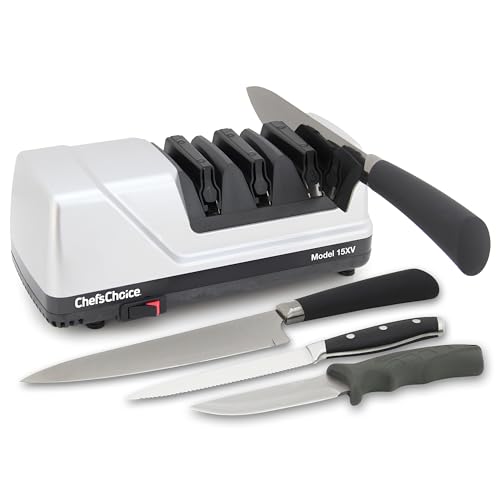
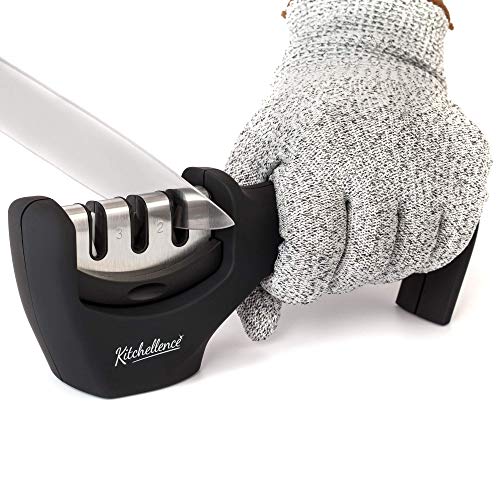
Hey friend, check out my recommendation for knife sharpeners

As an Amazon Associate, I earn from qualifying purchases (at no extra cost to you).
1. Buy in Bulk and Freeze Smart
One of the easiest ways to save money on meat is to buy in bulk when there’s a good discount and freeze what you don’t need right away.
For example, if veal or chicken is on sale, grab more than you need and portion it out yourself. The key is to freeze it as soon as you get home from the store—don’t wait until it’s close to the “use by” date.
I also use freezer plastic bags to portion the meat into meal-sized servings. They’re convenient, save space in the freezer, and make defrosting a lot easier.
As long as you use the meat within 40–50 days, it’ll taste just as good as the day you bought it. When you’re ready to cook, defrost it and get it on the stove right away to keep the quality top-notch.
2. Learn Basic Butchery
If you’re not already cutting your own meat, you’re leaving money on the table.
Pre-cut options like chicken breast fillets or meat labeled “for goulash” are convenient, but they’re also way overpriced. With a little practice, you can do this at home and save a ton.
Take chicken, for example—it’s easy to separate the breast, thighs, and wings from a whole chicken. Not only do you save money, but you also get more versatility with the different parts. The same goes for beef or pork.
Buying larger cuts and trimming them yourself is cheaper and often higher quality than pre-packaged portions.
It might seem intimidating at first, but once you get the hang of it, basic butchery is quick, simple, and totally worth it. Plus, there are plenty of videos online to help you get started!
3. Avoid Small Packages
Supermarkets love to sell meat in tiny packages – just enough for one or one-and-a-half portions. This can be a real pain if you’re cooking for more than one person.
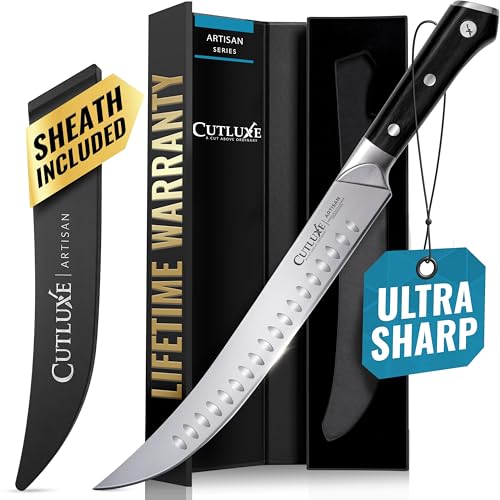
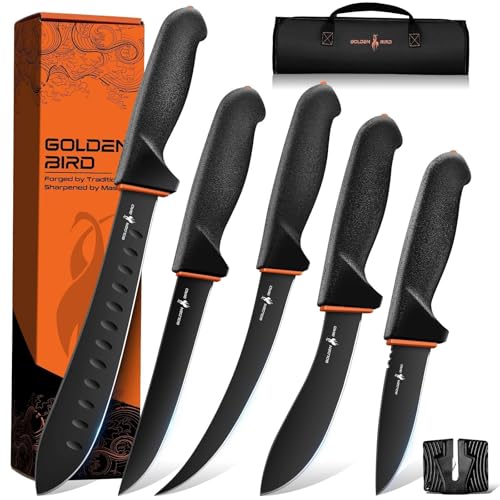
Hey friend, check out my recommendation for butcher knives
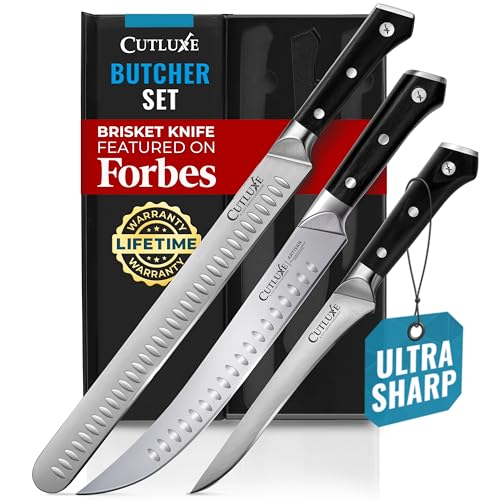
As an Amazon Associate, I earn from qualifying purchases (at no extra cost to you).
For example, in my case, it’s me, my wife, and our baby. The baby eats just a little, and one package isn’t enough for the two of us. So, we end up buying two packages—one is too small, but two are too much!
Instead, I’ve learned to look for larger portions or bulk options. A bigger cut of meat can be divided into exactly what we need at home.
It’s cheaper, there’s less waste, and it solves the “one isn’t enough, two is too much” problem perfectly.
4. Skip Pre-Packaged Meat Cuts
Pre-packaged meat cuts like “meat for goulash” might look convenient, but they’re almost always overpriced and lower quality. From my experience, these packages often contain tougher cuts or leftovers that aren’t worth the premium price.
When you cut your own meat, you get to choose exactly which part you want for each dish.
For example, when I make goulash, I prefer beef round for its tenderness, but the beef shoulder is also fantastic because it has a bit of fat that adds flavor. Or, if I’m making ground beef for pasta Bolognese, I’ll always go with beef shoulder – the fat makes the sauce taste amazing.
Taking the time to cut and portion your own meat not only saves money but also gives you full control over the quality and flavor of your meals.
5. Watch for “Fake” Discounts
Supermarkets love to slap bright red stickers on meat and call it a “discount,” even when the savings are barely noticeable. A tiny 5% off might catch your eye, but it’s hardly a deal—and they know that color and labels make people buy impulsively.
The trick is to always check the price per kilogram or pound instead of focusing on the discount sticker.
Sometimes, a “discounted” item still costs more than a similar cut without the label.
The Truth About Quality: Cheap Isn’t Always a Bargain

When it comes to meat, cheap doesn’t always mean good value.
I’ve learned this the hard way—like the time I bought some cheaper ćevapi, thinking I’d saved money. Turns out, half of them ended up in the trash because they were so bad that no one wanted to eat them.
In the end, I wasted both money and food.
Now, I’m more careful. I’d rather pay a little extra for higher-quality meat that we’ll actually enjoy and finish. It’s not just about the price per kilo—it’s about the taste, texture, and satisfaction of a good meal.
So, while saving money is important, it’s worth remembering that the cheapest option isn’t always the best choice. Balance is key.
When Supermarkets Beat Butchers (and Vice Versa)

Both supermarkets and butcheries have their strengths, so it’s all about knowing what to buy where. Butcheries are the go-to for high-quality, local meat. If you want fresh products from nearby farmers or need a specific cut, your local butcher will almost always deliver better quality. They can also give you advice or prepare custom cuts for your recipe.
On the flip side, supermarkets excel in variety and discounts. They often carry international specialty meats—like Argentine steak or Japanese Wagyu—that you won’t find at a butcher. Plus, if you’re on a budget, supermarkets frequently run sales or offer bulk deals that butcheries typically don’t.
To help you decide, here’s a quick breakdown:
| Feature | Butchery 👍 | Supermarket 👍 |
|---|---|---|
| Local, high-quality meat | ✅ | ❌ |
| International specialty cuts | ❌ | ✅ |
| Custom cuts and advice | ✅ | ❌ |
| Discounts and bulk deals | ❌ | ✅ |
| Consistency of stock | ✅ | ✅ |
| Convenience (one-stop shopping) | ❌ | ✅ |
The key is to shop smarter by mixing and matching. Get your everyday cuts and advice from the butcher, but keep an eye on supermarkets for international meats and big sales.
Final Thoughts
Here’s the deal—saving money on meat isn’t hard, but it does take some effort. These are the tricks I use every day to keep my family well-fed without breaking the bank. Shop smarter, don’t fall for flashy discounts, and never be afraid to mix it up between the butcher and supermarket.
At the end of the day, it’s about finding what works for you. Try a few of these tips, and I’m sure you’ll notice the difference – not just in your wallet but on your plate, too.
What’s your favorite way to save on meat? Let me know—I’d love to hear it!


