

Need For Meat is a part of Amazon Associates. As an Amazon Associate, we earn from qualifying purchases. Read our Affiliate Disclosure to learn more.
If you’ve heard people rave about dry-aged steak, you’re probably wondering if it’s really worth the price or if it’s just overhyped beef.
Dry-aged steak is famous for its rich flavor and tenderness, but it’s not for everyone. Some love it, while others think it tastes way too strong.
Let’s cut to the chase and find out if it’s worth the splurge.
What is Dry-Aged Steak and Why Do People Love It

Dry-aged steak is beef that’s been stored in a controlled environment—usually a temperature-controlled room – for weeks or even months.
During this time, two things happen: moisture leaves the meat, concentrating the beefy flavor, and natural enzymes break down the fibers, making it more tender.
The result? A steak that’s richer, more flavorful, and has an almost buttery texture. Some cuts even develop a nutty, earthy flavor that’s completely different from a regular steak.
People love dry-aged steak because it’s an experience – it’s not just about eating meat; it’s about tasting something deeper and more complex.
Hey friend, check out my recommendation for knife sharpeners
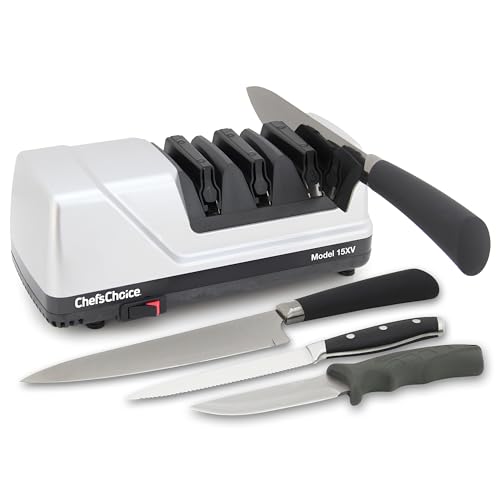
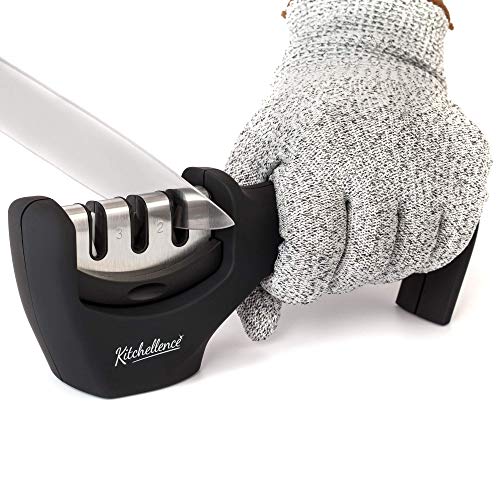

As an Amazon Associate, I earn from qualifying purchases (at no extra cost to you).
Why Does Dry-Aged Steak Taste So Different from Regular Steak
Dry-aged steak tastes different because the aging process removes moisture and intensifies the beefy flavor. As the meat loses water, the flavor gets more concentrated—kind of like reducing a sauce to make it richer.
At the same time, natural enzymes break down proteins and fats, which creates new, bold flavors.
This is why some dry-aged steaks have a buttery, nutty, or even slightly cheesy taste. The longer the aging process, the funkier the flavor becomes.
Related: Should We Feel Guilty For Loving Meat?
For people who love strong flavors (think blue cheese fans), this is heaven. But if you prefer a milder steak, the taste might be a bit overwhelming.
Does Dry-Aging Make Steak More Tender

Yes, dry-aging makes steak more tender—but it’s not magic, it’s science.
During the aging process, natural enzymes break down the muscle fibers in the meat, making it softer and easier to chew.
The longer it ages, the more those fibers break down, giving it that melt-in-your-mouth texture.
However, dry-aging forms a tough, dry crust on the outside of the steak – but don’t worry, that outer layer is always trimmed off before cooking.
Once the crust is removed, you’re left with rich, tender meat that’s full of flavor.
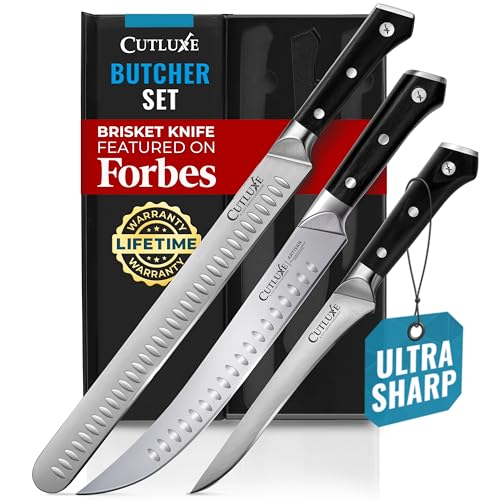
Hey friend, check out my recommendation for butcher knives
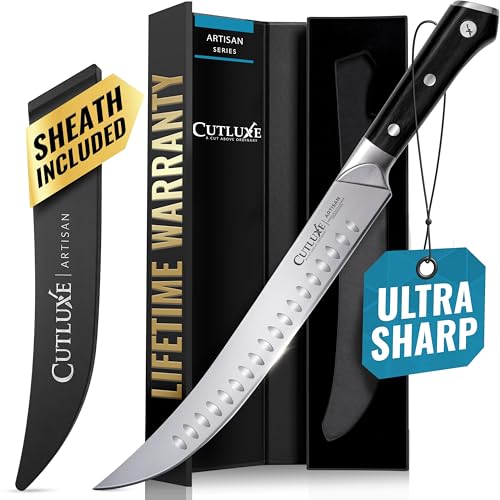
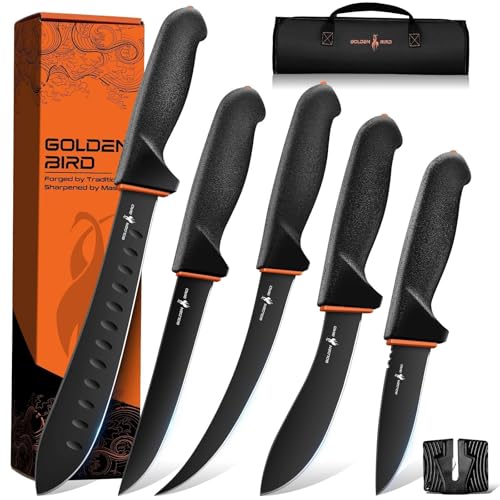
As an Amazon Associate, I earn from qualifying purchases (at no extra cost to you).
The sweet spot for both tenderness and juiciness is typically between 30 and 50 days.
How Long Should You Dry Age Steak for the Best Flavor
From my experience, and after talking to plenty of steak lovers – the sweet spot for dry-aged steak is 30 to 50 days.
At 30 days, the steak has that rich, beefy flavor and buttery tenderness, but it’s not too “out there.”
By the time you hit 45–50 days, the flavor really deepens, and you start getting those nutty, slightly funky notes that make dry-aged steak so unique.
Once you go past 50 days, things get intense. I’ve tried steaks aged for over 100 days, and they had a strong, almost blue cheese-like flavor. Some people love that, but for others, it’s way too much.
If you’re trying it for the first time, I’d say go with a 30-day aged steak. It’s a safe but delicious entry point. From there, you can work your way up and see how adventurous you want to get.
Who Will Love Dry-Aged Steak – and Who Might Not?!
In my opinion, dry-aged steak is for people who truly love the taste of meat and aren’t afraid to try something bold.
If you’re the type of person who enjoys strong cheeses like blue cheese or aged cheddar, you’ll probably love it.
The deeper, more complex flavors of dry-aged steak hit those same notes – rich, nutty, and a little funky.
On the flip side, if you prefer your steak to be mild and straightforward, dry-aged beef might not be your thing.
Related: Bone-In or Boneless: Which Is Better?
Some people take one bite and think it tastes “off” or even spoiled because of the stronger flavors. I’ve had friends try it and say, “Nope, that’s not for me.”
Dry-aged steak is definitely not for someone who only eats steak once a year. It’s for people who already love steak and are looking to take things to the next level.
First Time Trying Dry-Aged Steak? Start Here

If you’re new to dry-aged steak, don’t overcomplicate it—just take a few simple steps to make your first experience a great one. Trust me, diving in blind can leave you feeling confused or disappointed, especially if you end up with something that’s too intense for your taste.
Here’s what I recommend:
First, start with a 30-day aged steak. This is the sweet spot where the steak is more tender and flavorful, but still tastes familiar. Anything older than that, and you’re stepping into the funky zone—which isn’t bad, but it’s an acquired taste.
Second, bring a friend who knows their way around steaks. Eating alone is fine, but sharing the experience with someone who has tried dry-aged beef before can make a big difference. They can help you navigate the menu, give recommendations, and make the whole thing more fun.
If you’re at a steakhouse, don’t be shy—ask your server for advice. Let them know it’s your first time trying dry-aged steak. A good steakhouse will be happy to guide you toward the right cut and aging time. You can even ask them to explain the different flavors at each stage so you know what to expect.
And finally, keep it simple. Dry-aged steak already has bold flavors, so don’t drown it in sauces or overpower it with sides. A little salt and maybe some butter are all you really need to make it shine.
Quick Guide to Trying Dry-Aged Steak for the First Time
- Start with 30-Day Aged Steak – It’s rich and tender without overwhelming flavors—a perfect intro to dry-aged beef.
- Work Your Way Up – If you enjoy 30 days, try 45–50 days next for a deeper, nuttier flavor.
- Avoid the Extreme Right Away – Don’t go straight for 90+ day aged steaks unless you’re ready for strong, funky flavors.
- Bring a Friend Who Knows Their Stuff – Having someone with more experience makes the whole thing more fun and less intimidating.
- Ask the Restaurant Staff for Recommendations – Let them suggest the best cut and aging time for your first try.
- Keep It Simple – Stick to basic seasoning like salt and butter—let the steak’s natural flavors shine.
Is Dry-Aged Steak Worth the High Price?
Dry-aged steak is expensive for a reason. The process takes weeks or months, during which the meat loses moisture and a lot of the outer layer gets trimmed off.
What’s left is smaller but packed with flavor—and that time and waste drive up the price.
But here’s the thing: it’s only worth it if you like it. If bold, beefy flavors aren’t your thing, no steak is worth that price.
But if you’re into rich, tender meat with complex flavors, it’s an experience worth trying at least once.
For me, if I’m splurging, I make sure I’m getting it from a place that knows what they’re doing. Otherwise, it’s just an expensive mistake.
That’s just my take—but I’d love to hear yours! Have you tried dry-aged steak? Was it worth the hype, or did it fall flat? Drop a comment and share your experience—whether you’re a fan or not, I’m curious to know where you stand!


