

Need For Meat is a part of Amazon Associates. As an Amazon Associate, we earn from qualifying purchases. Read our Affiliate Disclosure to learn more.
Fake meat claims to taste “just like the real thing,” but it never does. The texture is off, the flavor’s flat, and it leaves you feeling unsatisfied.
Here are 7 reasons why it’ll never replace the real deal.
1. It Lacks That Juicy, Meaty Texture
Texture isn’t just “nice to have” — it’s everything. When you bite into a real steak or burger, you feel that satisfying resistance as the crust gives way to tender, juicy meat. Muscle fibers pull apart naturally, giving you that perfect chew. That experience is impossible to recreate with plants, no matter how much science is involved.
Fake meat tries to mimic this with binders, starches, and fillers, but the result is usually a sad compromise. Sometimes it’s rubbery, sometimes it’s mushy, and sometimes it just feels like you’re chewing on a dense sponge. It might hold its shape on the grill, but it’ll never have that distinct meaty “bite.”
No amount of fancy marketing can hide it, either. Texture is something you feel instantly, and it’s one of the main reasons people know right away that fake meat is, well… fake.
2. The Flavor Just Isn’t There (No Matter How Hard They Try)
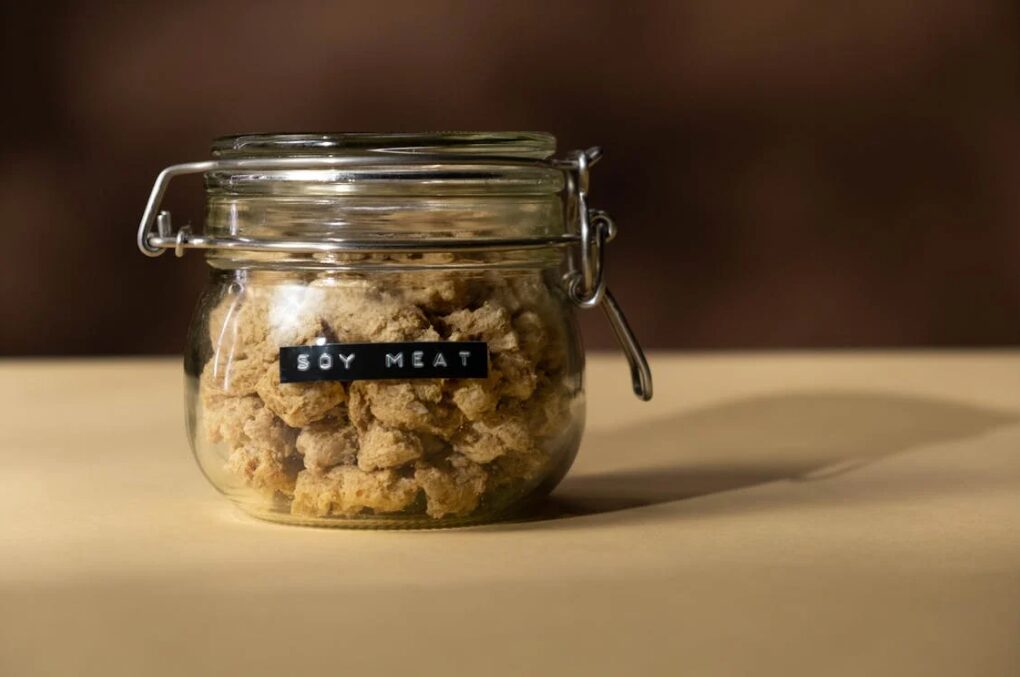
Fake meat companies love to brag about “beefy flavor” or “smoky chargrill taste,” but let’s be honest — it’s all smoke and mirrors (literally). Real meat has depth. It’s savory, rich, and packed with natural umami that hits every corner of your taste buds.
Fake meat? It tastes like seasoning packets and liquid smoke dumped into mashed plants.
Hey friend, check out my recommendation for knife sharpeners
No products found.
As an Amazon Associate, I earn from qualifying purchases (at no extra cost to you).
Sure, they’ll add “natural flavors” (whatever that means) and try to trick your brain, but it’s never the same. You can taste the fakeness. Real meat builds flavor from the inside out as it cooks — the browning, the sizzling fat, the sear on the grill. Fake meat? It’s all surface-level tricks, and once you strip away the seasonings, there’s nothing left.
At the end of the day, no amount of “innovation” can recreate the rich, mouthwatering flavor that comes naturally with real meat. It’s not just different — it’s a complete downgrade.
3. Too Many Weird Ingredients, Not Enough Real Food
Flip over a pack of fake meat and read the ingredients — it’s like a science experiment gone wrong. Pea protein isolate, methylcellulose, potassium chloride… sounds more like a chemistry set than something you’d want to eat.
Real meat has one ingredient: meat. Simple, honest, and recognizable. But fake meat is a cocktail of fillers, thickeners, emulsifiers, and “natural flavors” (which are anything but natural). They have to engineer it to look, taste, and feel like meat, but all that engineering comes with a cost — ultra-processing.
People talk about eating “clean,” but there’s nothing clean about a product that needs 20+ lab-created ingredients just to resemble food. If you wouldn’t stock those ingredients in your kitchen, why would you want them on your plate?
This is where fake meat exposes itself. It’s pretending to be healthy and natural, but peel back the label, and it’s just another processed product designed to trick you.
4. It Doesn’t Satisfy Your Body’s Cravings

When your body craves meat, it’s not asking for a patty made of pea protein and canola oil. It wants real, nutrient-dense food — the kind that actually fills you up and leaves you feeling satisfied.
Fake meat might fool your eyes for a second, but your body knows the difference. There’s no heme iron, no complete protein profile, and none of the essential fats your body is wired to seek out.
That’s why, after eating a fake burger, you’re often still hungry or reaching for snacks an hour later. It doesn’t “hit” the way real meat does.
Our cravings aren’t random. They’re signals from the body telling us what we need. And no amount of “plant-based protein innovation” can override millions of years of human instinct. Your body isn’t craving lab-grown sludge — it’s craving real food with real nutrition.
Hey friend, check out my recommendation for butcher knives
No products found.
As an Amazon Associate, I earn from qualifying purchases (at no extra cost to you).
5. The Cooking Experience Feels Wrong (No Sizzle, No Fun)
Cooking real meat is an experience. The sizzle when it hits the pan, the aroma of browning fat, the crispy crust forming right before your eyes — it’s a ritual that feels primal and satisfying. Cooking fake meat? It’s like heating up a sponge. No sizzle, no sear, no soul.
Real meat transforms as it cooks. The fat renders, the juices bubble up, and the Maillard reaction (that golden-brown magic) creates layers of flavor. With fake meat, you’re just watching it go from pale gray to slightly darker gray. No fat to render, no crust to crave. It’s lifeless.
And let’s be honest — half the joy of eating meat is in the cooking process. The smell of a steak on the grill is enough to make your mouth water. Meanwhile, fake meat smells like… well, plants and artificial smoke. There’s no excitement, no anticipation, just a sad patty sitting in a pan.
Cooking real meat feels right. Cooking fake meat feels wrong. Simple as that.
6. The Emotional Connection to Real Food Can’t Be Replicated
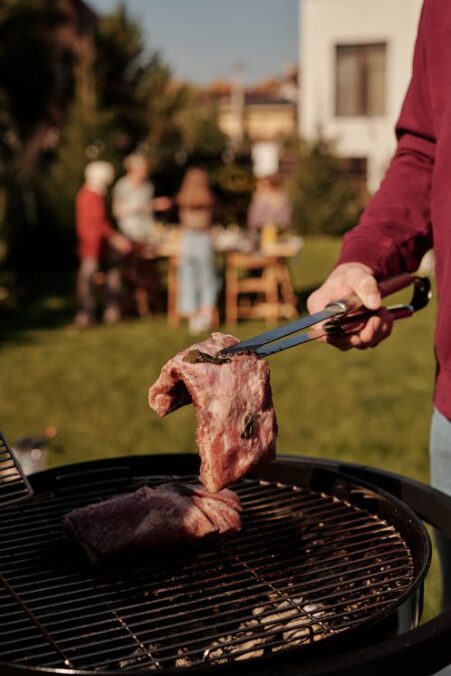
I’m from Croatia, and food here isn’t just something you eat. It’s something you experience. I’m talking about the smell of meat sizzling on the grill at a family barbecue or the sight of a whole lamb or pig slowly roasting on a spit. You don’t forget moments like that. They stick with you because they’re real.
No one gathers around a grill to watch a Beyond Burger cook. No one stands in awe of a “plant-based patty” like they do when a whole lamb is turning over an open flame. There’s something primal and powerful about it. It’s not just food — it’s tradition, celebration, and a connection to where we come from.
I can’t picture my family gathered around a plate of pea protein patties. It wouldn’t feel right. Real food has a heart. It has a soul. And that’s something no lab, no brand, and no flashy marketing campaign will ever be able to recreate.
7. No Matter How It’s Marketed, It’s Still Ultra-Processed Junk
They can call it “plant-based,” “sustainable,” or “better for you,” but let’s be honest — it’s still ultra-processed junk. No amount of green packaging or nature-inspired branding changes that.
I’m not fooled by buzzwords. I flip the package over and look at the ingredients. If it reads like a science project — pea protein isolate, methylcellulose, modified corn starch — I’m out. That’s not food. That’s a product. Real meat doesn’t need 20+ ingredients and a lab full of scientists to exist. It just is.
For example, the Impossible Burger contains ingredients like soy protein concentrate, sunflower oil, coconut oil, and methylcellulose, among others.
People love to bash processed foods, but somehow, fake meat gets a free pass. News flash: it’s as processed as the snack aisle. No one would call a frozen chicken nugget “health food,” so why does a pea protein patty get the royal treatment?
I want real food. Food with one ingredient. If I need a degree in chemistry to understand what I’m eating, I’m not eating it. Simple as that.
Final Thoughts: You Can’t Fake the Real Thing
At the end of the day, fake meat is just that — fake. No amount of marketing, science, or celebrity endorsements will change the fact that it’s a heavily processed imitation of something that’s already perfect. Real meat satisfies on every level — taste, texture, nutrition, and even the emotional connection we have with food.
I’m not here to tell anyone what to eat, but let’s be honest with ourselves. If you’re craving real meat, a pea protein patty isn’t going to cut it. It’s like craving a wood-fired pizza and being handed a rice cake with tomato paste. It might look similar, but your body (and your taste buds) know the difference.
So next time someone tells you that fake meat is “just as good,” remember this: If it was just as good, they wouldn’t have to work so hard to convince you.


