

Need For Meat is a part of Amazon Associates. As an Amazon Associate, we earn from qualifying purchases. Read our Affiliate Disclosure to learn more.
What can you possibly get wrong when seasoning a steak?
A lot, actually. And the truth is, far too many people mess this up. If you want to get the most out of your expensive steak, you need to season it the right way. Do it wrong, and you’re left with a steak that’s bland, dry, or just not as good as it should be.
Here are the 5 worst seasoning mistakes people make – and how to fix them.
Mistake #1: Salting 10-20 Minutes Before Cooking
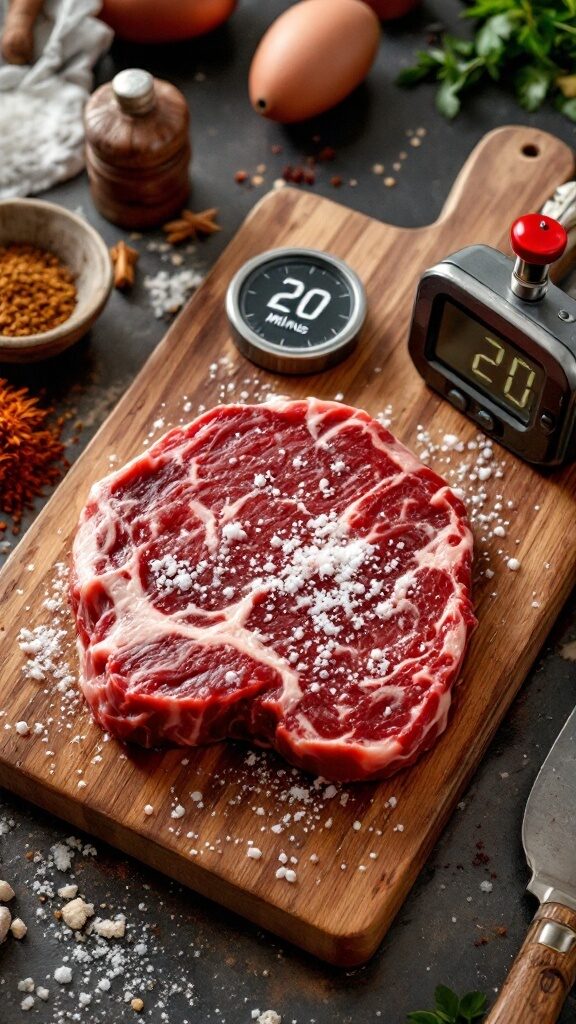
A lot of people take their steak out of the fridge, season it, let it sit for 10-20 minutes while prepping other things, and then cook. Sounds harmless, right? It’s actually one of the worst things you can do.
Salt pulls moisture out of the steak. But in 10-20 minutes, the meat doesn’t have enough time to reabsorb that moisture.
Instead, you end up with a wet surface that prevents a proper sear, meaning your steak won’t develop that beautiful crust. Instead, it steams.
If you’re doing this, you’re sabotaging your steak before it even hits the pan.
Hey friend, check out my recommendation for knife sharpeners
No products found.
As an Amazon Associate, I earn from qualifying purchases (at no extra cost to you).
Mistake #2: Seasoning After Cooking
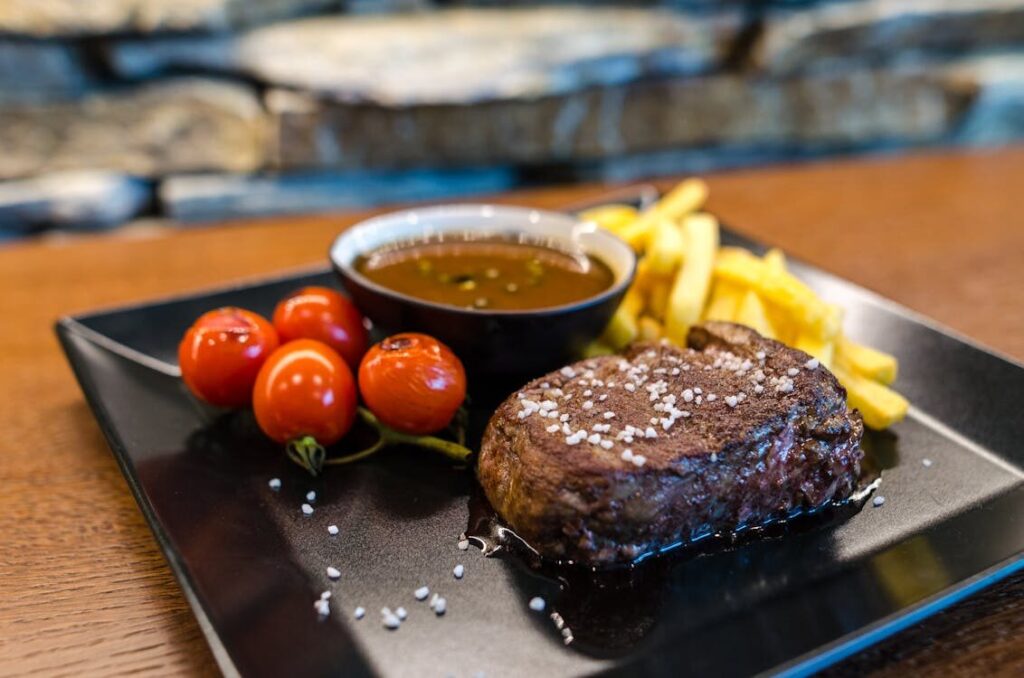
Some people skip seasoning before cooking and just sprinkle salt on after. While this isn’t the worst thing you can do, it’s nowhere near as good as seasoning beforehand.
The issue? The whole steak won’t taste the same. Your first bite might be salty, but after a few chews, that seasoning fades, and the inside of the steak lacks flavor.
Yes, salt can still penetrate a cooked steak, but it takes way too long to make a real difference.
That’s why restaurants still season their steaks before cooking—even if they add some finishing salt after. Pre-seasoning ensures the salt is evenly distributed, making every bite flavorful, not just the first one.
A bit of extra salt after cooking? Sure, that enhances the flavor. But relying on it completely? Not a good idea.
Mistake #3: Using Too Many Spices
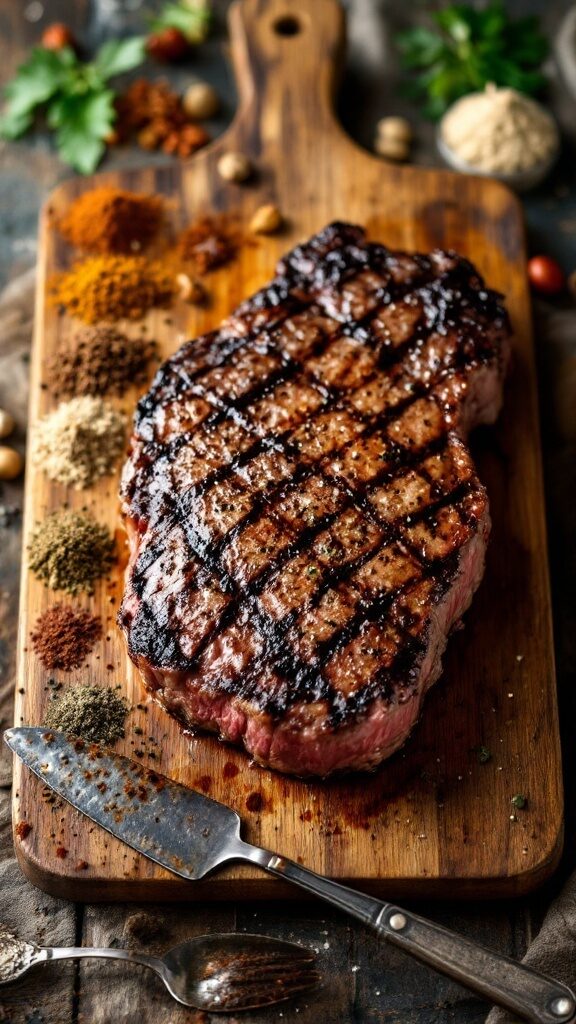
I see this all the time – people throwing a dozen spices on a steak, thinking it’ll make it better. It won’t.
High-quality beef is already packed with flavor, and if you overdo the seasoning, you’ll just cover up what makes a great steak taste amazing.
For me, salt and pepper are all you need. That’s exactly how I do it in my own Quick & Easy Rump Steak Recipe – keeping it simple brings out the best flavors.
If you want to enhance things, fine—add a light coat of mustard before cooking, and finish with butter, garlic, and rosemary in the pan.
That’s it.
Hey friend, check out my recommendation for butcher knives
No products found.
As an Amazon Associate, I earn from qualifying purchases (at no extra cost to you).
You don’t need paprika, cumin, onion powder, or any fancy rubs when the meat itself is top-tier.
As an example, in Croatia, we use Vegeta for a lot of dishes, and yeah, it makes steaks taste good – but it’s not the pure, natural steak flavor you’re aiming for. A great steak should taste like steak, not a spice blend.
Mistake #4 – Forgetting to Pat the Steak Dry

If you season a wet steak and throw it on the pan, you’re asking for trouble. Instead of getting a beautiful crust, the moisture on the surface creates steam, preventing a proper sear.
No sear = less flavor.
Plus, if the steak is wet, the seasoning won’t stick properly, meaning you’ll lose a lot of that salt and pepper when cooking.
Now, let’s be clear – this applies to water, not oil. In Croatia, we sometimes coat steaks in oil before cooking, which is totally fine.
Oil isn’t the problem – water is. If your steak has excess moisture from sitting in its packaging or fridge, always pat it dry with a paper towel before seasoning.
This is also why dry brining (seasoning the steak and leaving it uncovered in the fridge overnight) is amazing, which is similar to dry-aging.
The salt draws out moisture at first, but over time, the steak reabsorbs it, making the meat more flavorful and helping the surface dry out. A dry surface = the perfect sear.
Mistake #5: Using the Wrong Salt
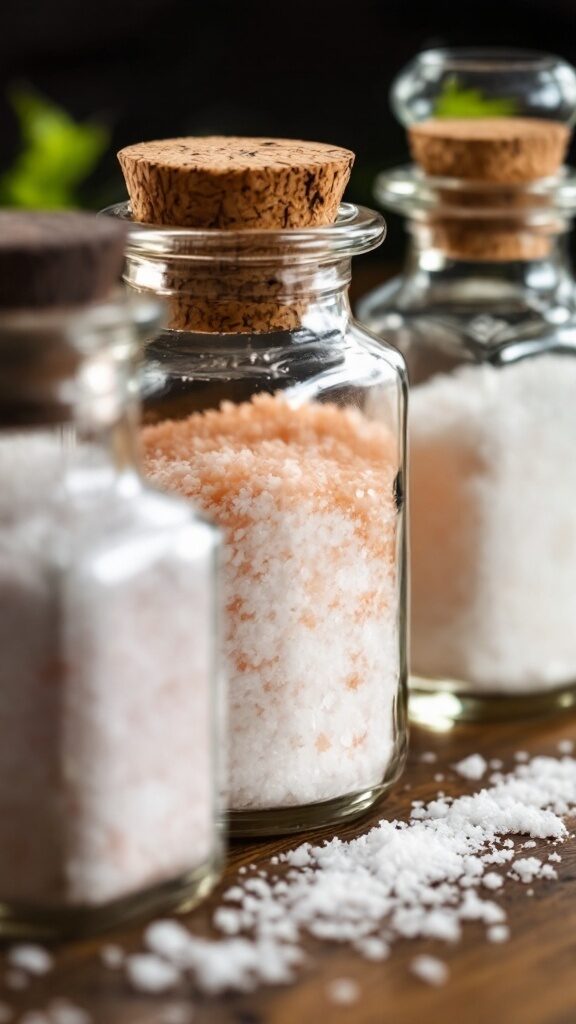
Salt is salt, right? Not exactly. The type of salt you use—and when you use it—makes a difference.
If you’re seasoning just seconds before cooking, you should use kosher salt. Its larger, flaky crystals don’t dissolve instantly, meaning they stay on the surface long enough to create a nice crust when searing.
Table salt, on the other hand, dissolves too fast, leading to uneven seasoning and a weaker crust.
But if you’re dry brining (seasoning overnight) or using a marinade, the type of salt doesn’t matter as much.
Given enough time, even fine table salt will fully dissolve and penetrate the meat, seasoning it from the inside out.
So, the rule is simple:
- Quick seasoning before cooking? Use kosher salt.
- Seasoning ahead of time? Any salt will do.
Choosing the right salt at the right time makes a real difference. Don’t let the wrong choice ruin your steak.
Related: 4 Overrated Steaks That Aren’t Worth The Money
The Right Way to Season a Steak (Best Practices)
Now that we’ve covered the mistakes, here’s how to do it the right way.
Best Method: Dry Brining (Overnight in the Fridge)
The absolute best way to season a steak is to salt it and leave it uncovered in the fridge overnight. This gives the salt time to fully penetrate the meat, enhancing flavor and tenderness. Plus, the fridge dries out the surface, ensuring a perfect crust when searing.
Quick Method: Seasoning Right Before Cooking
If you don’t have time to dry brine, the next best option is to season just seconds before cooking. This way, the salt doesn’t have time to draw out moisture, so your steak still gets a great sear.
Marinating in Oil (A Great BBQ Trick)
For leaner cuts like filet mignon, an excellent method is to fully submerge the steak in oil with minimal seasoning. This keeps the meat soft, prevents it from drying out, and even enhances tenderness. I’ve done this countless times for barbecues, and it works amazingly well. You don’t need to do this for fattier cuts, but for lean steaks on the grill? It’s a game-changer.
Other Essential Tips:
- Always season all sides, including the edges.
- Press the salt into the meat to help it stick and absorb better.
- Pair seasoning with proper cooking techniques—hot pan, good sear, and letting the steak rest before slicing.
Season your steak the right way, and you’ll taste the difference. No more ruined steaks.
How Do You Season Steaks?
Do you agree with these mistakes? How do you season your steak—simple salt and pepper, or do you have your own special method? Drop your thoughts in the comments!
Related: Are You a Steak Genius? Take This 10-Question Quiz And Find Out!
And if you know someone who keeps ruining good steaks, share this with them – they’ll thank you later.


