
Need For Meat is a part of Amazon Associates. As an Amazon Associate, we earn from qualifying purchases. Read our Affiliate Disclosure to learn more.
Nothing ruins a great steak like getting the doneness wrong. Whether you’re splurging on a pricey cut at a restaurant or cooking at home, not knowing the difference between rare, medium, and well-done can turn your meal into a disappointment.
That’s why understanding steak doneness levels is so important. From appearance to temperature to taste, knowing the key differences ensures you never ruin a steak again.
Ready to master the art of steak perfection? Let’s dive in.
1. Blue Rare (Extra Rare)

Blue rare is as close as you’ll get to eating raw beef while still technically cooked. The steak is seared on the outside for a quick hit of heat, but the inside stays cool, red, and soft.
This level is all about the pure, unadulterated taste of beef. It’s tender, juicy, and a bit intense—but that’s what makes it so appealing to some.
If you’re considering blue rare, here’s my advice: make sure your steak is top quality and sourced from a trusted supplier. At this level, the flavor of the beef stands alone, so you’ll want it to be the best.
The internal temperature for blue rare is 115–120°F (46–49°C). If you’re cooking it yourself, you’re basically giving it a quick sear—just 30–60 seconds per side on very high heat.
Hey friend, check out my recommendation for knife sharpeners
No products found.
As an Amazon Associate, I earn from qualifying purchases (at no extra cost to you).
This level isn’t for everyone. If you’re squeamish about raw meat or prefer more texture, you might want to skip it. But if you’re into bold flavors and love your steak barely touched by heat, blue rare might just become your favorite.
And hey, if you’re ordering at a restaurant, be very clear with your server—blue rare isn’t for the faint of heart.
2. Rare

Rare steak is for those who love their beef juicy and bold. Picture a deep red center that’s warm to the touch and surrounded by a lightly seared crust. That’s rare—a perfect balance between cooked and raw.
At this level, the internal temperature is 120–125°F (49–52°C). The outside is seared to lock in the juices, while the inside stays tender and flavorful. Rare steak brings out the beef’s natural flavors without overcomplicating things, which is why it’s a go-to for many steak enthusiasts.
If you’re new to steak, rare might be a bold starting point. It’s more forgiving than blue rare but still delivers that melt-in-your-mouth texture. Just make sure to communicate clearly if you’re ordering at a restaurant—rare and blue rare can be easily confused.
This level is best for those who enjoy beef in its purest form. If you prefer more structure or less red in your steak, you might want to lean toward medium rare. But if you love tender, juicy bites that showcase the quality of the meat, rare is where it’s at.
3. Medium Rare
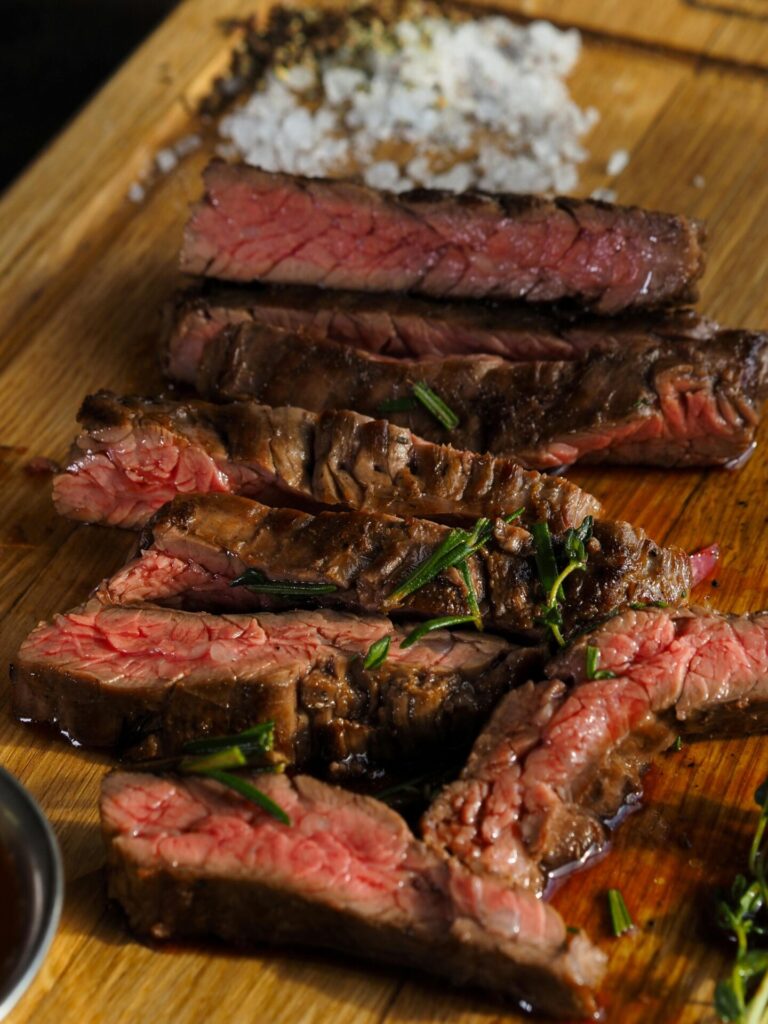
Medium rare is the gold standard for steak lovers, and it’s easy to see why. This level strikes the perfect balance between tenderness, flavor, and juiciness.
The internal temperature for medium rare is 130–135°F (54–57°C). At this point, the steak develops a flavorful brown crust from the sear, while the inside remains warm, pink, and incredibly juicy. It’s the sweet spot where you get the best of both worlds—bold beef flavor and a melt-in-your-mouth texture.
If you’re someone who appreciates a steak that’s soft, moist, and full of rich flavor, medium rare is the way to go. It’s a favorite for cuts like ribeye, sirloin, and filet mignon because it highlights their natural marbling and tenderness without drying them out.
This level is popular for a reason—it’s hard to go wrong with medium rare. It’s ideal for most steak lovers and a great starting point if you’re unsure which level to try.
Hey friend, check out my recommendation for butcher knives
No products found.
As an Amazon Associate, I earn from qualifying purchases (at no extra cost to you).
4. Medium

Medium steak offers a warm pink center with a firmer texture, striking a balance between tenderness and a more cooked bite.
The internal temperature for medium is 140–145°F (60–63°C). At this level, the juices are still there, but the steak feels more structured and less tender compared to medium rare. It’s a great middle ground for those who enjoy some pink but prefer less of the raw texture.
Medium is perfect if you like your steak juicy without venturing too far into rare territory. It’s also a crowd-pleaser, especially for people who might not agree on how steak should be cooked.
If you’re cooking or ordering for a group, medium is a safe bet that delivers flavor and satisfaction without leaning too rare or too firm.
5. Medium Well
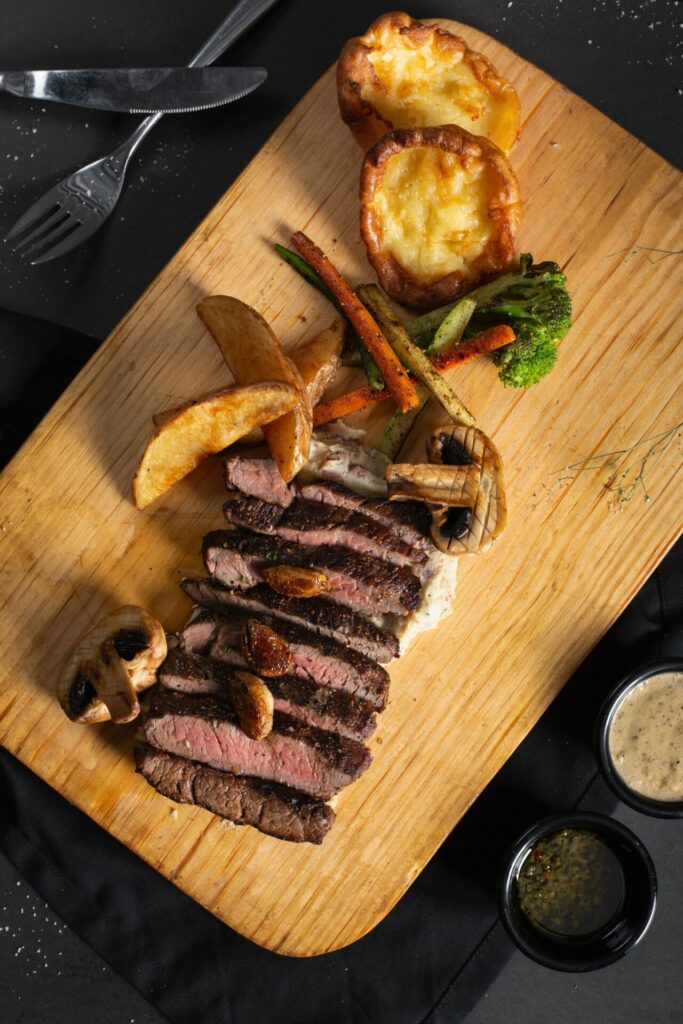
Medium well is for those who prefer a steak that’s mostly cooked through, with just a hint of pink in the center. At this level, the steak is firm but still retains a touch of juiciness.
The internal temperature for medium well is 150°F (65°C). By this point, most of the steak’s natural juices have cooked off, leaving a rich, beefy flavor with less moisture.
This level is ideal if you enjoy a steak without the rawness of rarer levels or the chewiness of well-done. It’s a comforting choice, offering a balance of tenderness and firmness without crossing into dryness.
Medium well steaks work especially well with bold sides like roasted vegetables or creamy mashed potatoes, complementing the hearty texture and flavor.
If you’re not a fan of pink but still want a tender bite, medium well is a solid choice.
6. Well Done

Well-done steak is fully cooked through, with no pink left in the center. It’s firm to the touch, often with a slightly charred exterior. For some, this level of doneness highlights a deep, robust flavor, while for others, it’s the culinary equivalent of heartbreak.
The internal temperature for well-done steak is 160°F (71°C) or higher. At this point, the juices are mostly gone, and the texture is dense and chewy. If you’re set on well done, choose a high-quality, well-marbled cut—like ribeye or strip steak—to keep some richness in the flavor.
That said, I’ll be honest: well-done isn’t for everyone. If you love steak’s natural tenderness and juiciness, this level might feel like a missed opportunity. But for those who prefer their meat thoroughly cooked with no hint of pink, well done is a solid choice.
Pair it with bold sides like creamy potatoes or roasted vegetables to balance the firmer texture. And if you’re in a restaurant ordering well done, you might want to brace yourself for the occasional side-eye from your waiter (just saying!).
Related: 4 Overrated Steaks That Aren’t Worth Your Money
How To Measure Doneness
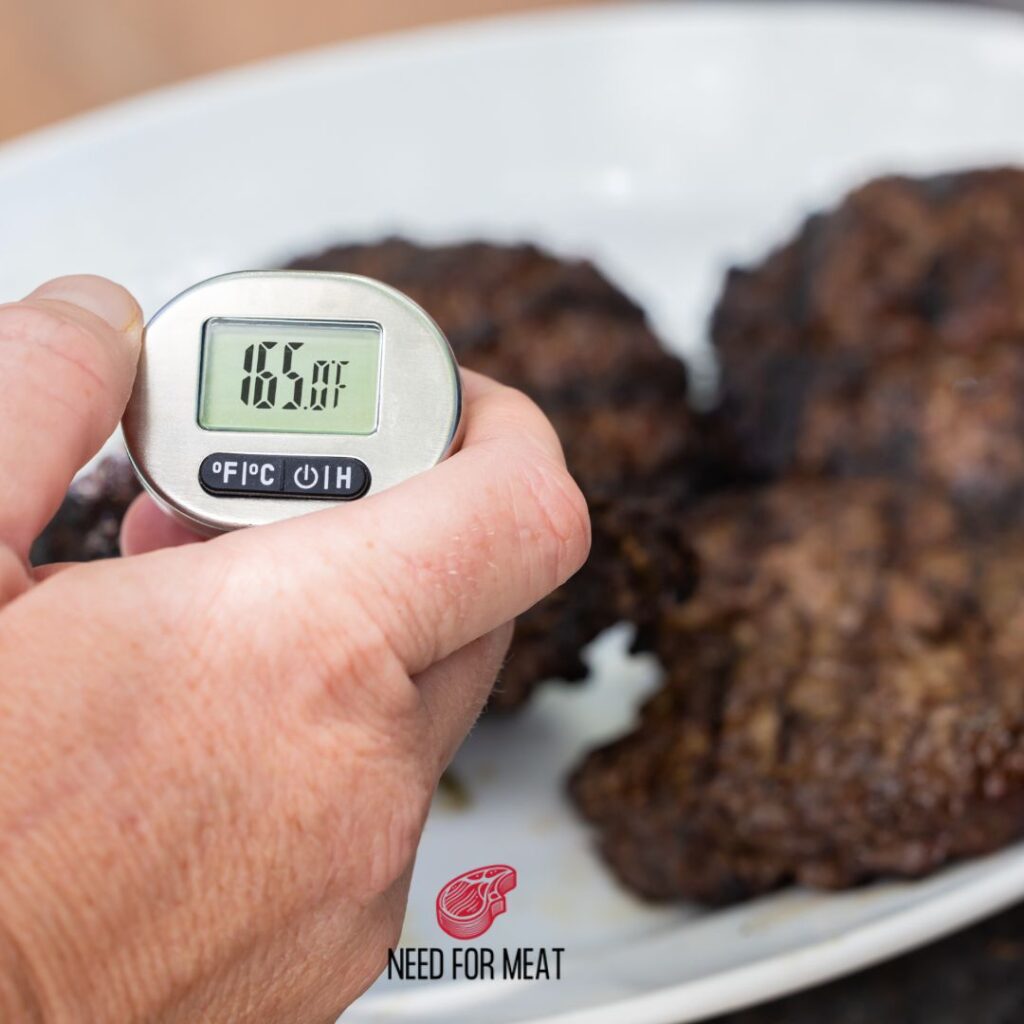
Getting the doneness right is all about accuracy, and the best way to measure it is with a meat thermometer. Forget guesswork—this tool ensures your steak hits the sweet spot, whether you’re aiming for blue rare, medium rare, or well done.
Here’s how: insert the thermometer probe into the thickest part of the steak, avoiding bone or fat for a true reading. For reference:
- Blue rare: 115–120°F (46–49°C)
- Rare: 120–125°F (49–52°C)
- Medium rare: 130–135°F (54–57°C)
- Medium: 135–145°F (57–63°C)
- Medium well: 150°F (65°C)
- Well done: 160°F+ (71°C+)
One key step many people overlook is resting the steak after cooking. Once you remove it from the heat, the internal temperature can rise by 5–10°F (3–6°C) as it rests. This is called carryover cooking, and it’s why you should pull your steak off the heat just before it reaches your target temperature.
Resting also allows the juices to redistribute throughout the meat, making every bite more flavorful and less likely to spill onto your cutting board. Let your steak rest for at least 5 minutes before slicing—it’s worth the wait!
With a thermometer and a little patience, you can always get your steak just the way you like it.
Which Steak Cooking Level Is Best
Choosing the right doneness is about personal preference, but medium rare (130–135°F or 54–57°C) is often considered ideal.
Here’s why:
- Juiciness: Medium rare retains more moisture since muscle fibers haven’t contracted too much.
- Flavor: The Maillard reaction creates a savory crust while keeping the center flavorful.
- Tenderness: Proteins denature just enough to keep the steak tender without becoming tough.
- Fat Rendering: Fat begins to melt at this temperature, enhancing the flavor and texture.
Rare steaks are warm and red, medium rare is pink and tender, medium is firmer with some pink, and well-done is fully cooked with no pink.
The best cooking level is the one that suits your taste, but medium rare is popular for its balance of flavor, texture, and juiciness.
The Bottom Line
So, next time you’re ready to fire up the grill, keep these steak cooking levels in mind.
Whether you prefer a rare, medium rare, or well-done steak, mastering these techniques will definitely impress your guests, or, if you’re eating out, will help you pick idealy cooked steak.
What’s your ideal steak doneness level? Tell us in the comment section below 🙂
p.s. take this quiz and find out if you’re really a steak master or just a newb


