

Need For Meat is a part of Amazon Associates. As an Amazon Associate, we earn from qualifying purchases. Read our Affiliate Disclosure to learn more.
When I’m cooking steak at home, I usually go for boneless – it’s just easier to manage, especially when I’m using a pan. When I’m at a restaurant and ordering a classic beef steak (or “biftek,” as we’d say here in Croatia), I usually stick with boneless too.
But if I’m ordering something like a rump steak, a tomahawk, or anything special off the grill, I want that bone in. It just feels more rustic and more satisfying.
So, which one is better? Bone-in or boneless?
It depends on what you’re cooking and how you’re cooking it. Let’s break it down so you can decide what works best for you.
Which One is Better for Most Situations?
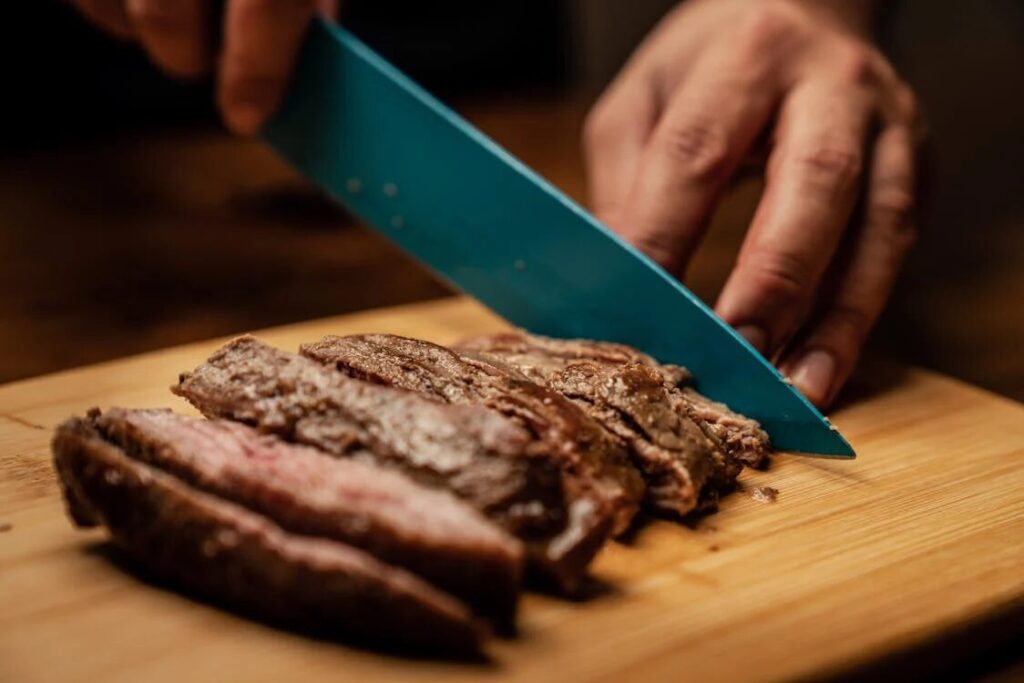
Let’s be real – most of us aren’t eating steak at a restaurant every week. If you love high-quality meat but don’t want to break the bank, you’re probably making it at home more often than not.
And at home, boneless steak is usually the smarter choice. Sure, it might cost a little more per kilo, but it’s way easier to cook evenly—whether you’re using a pan, grill, or oven.
Bone-in steaks can be tricky, especially for home cooks. The bone affects how the heat spreads, so some parts of the steak can end up perfectly cooked while others are undercooked or overcooked.
Hey friend, check out my recommendation for knife sharpeners
No products found.
As an Amazon Associate, I earn from qualifying purchases (at no extra cost to you).
Boneless steaks, on the other hand, are more forgiving. You can focus on getting a great crust and nailing that perfect doneness without worrying about the bone getting in the way.
Even in restaurants, there’s less room for error with boneless cuts. The chef can cook it faster, more evenly, and with consistent results.
So, if I’m being honest, boneless is better for most people – especially for everyday meals.
Of course, there are exceptions. And that’s where bone-in steaks really shine, which we’ll get into next!
Bone-In Steaks
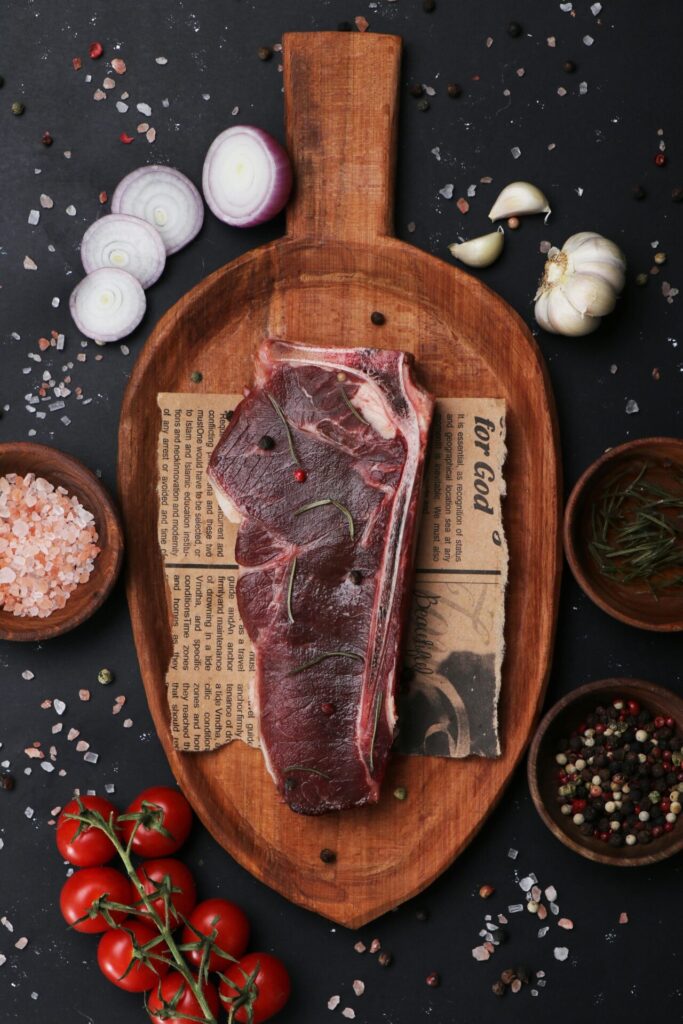
Bone-in steaks have a certain wow factor. Whether it’s a T-bone, tomahawk, or rump steak with the bone still attached, they just look more impressive. But there’s more to bone-in than just looks. Let’s break it down.
Pros and Cons of Bone-In Steaks:
| Pros | Cons |
|---|---|
| Better presentation: The bone makes it feel more rustic and special. | Harder to cook evenly: The bone affects how the steak heats, making it tricky to cook evenly, especially in a pan. |
| Retains moisture: The bone helps insulate the meat slightly, keeping it juicy. | Takes longer to cook: Bone-in steaks need a little more time to reach your ideal doneness. |
| Rich, flavorful cuts: Bone-in steaks often come from marbled, flavorful cuts like ribeye and T-bone. | More work to eat: You’ll need to cut around the bone, which some people find annoying. |
Best Uses:
Bone-in steaks shine when you’re grilling or hosting a special dinner. Cuts like tomahawk or T-bone scream for the grill and will turn heads at any barbecue.
Boneless Steaks
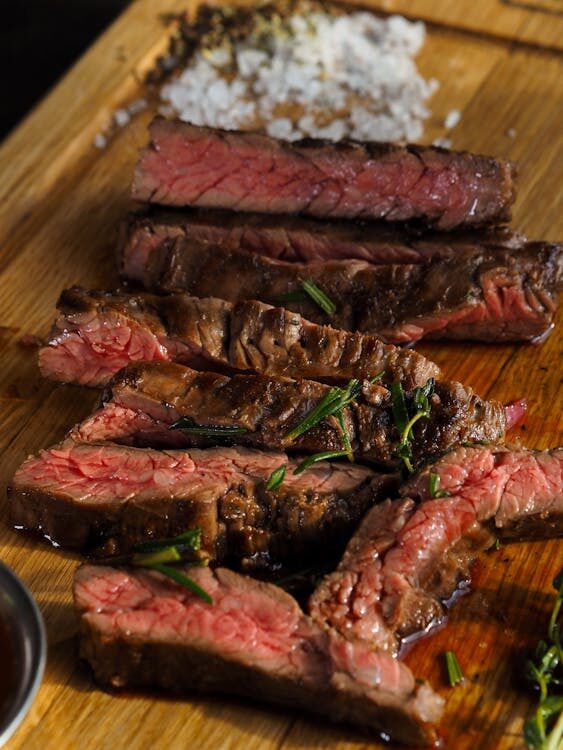
Boneless steaks are all about simplicity and convenience. They might not have the same visual appeal as a massive bone-in tomahawk, but when it comes to cooking, they’re the easier choice for most people. Here’s a closer look:
Pros and Cons of Boneless Steaks:
| Pros | Cons |
|---|---|
| Easier to cook: Boneless steaks cook more evenly, no matter the method—pan, grill, or oven. | Less impressive presentation: A boneless sirloin doesn’t have the same “wow” factor as a steak with a bone sticking out. |
| Faster cooking time: Since there’s no bone, heat spreads evenly through the meat, cutting down the cooking time. | Flavor debate: Some people feel that boneless steaks lack the extra richness that bone-in cuts seem to have. |
| Easier to eat: No bones to work around—just slice and enjoy. | Less primal feel: For those who love the ritual of eating meat off the bone, boneless can feel less satisfying. |
Best Uses:
Boneless steaks are perfect for pan-searing, quick weeknight dinners, or when you want full control over how your steak cooks. Cuts like filet, sirloin, and ribeye really shine when they’re boneless, especially for straightforward, everyday meals.
Hey friend, check out my recommendation for butcher knives
No products found.
As an Amazon Associate, I earn from qualifying purchases (at no extra cost to you).
My Take
At home, I almost always go for boneless. It’s just easier—especially if I’m using a pan or making a quick dinner. I don’t have to worry about uneven cooking, and I can get a great crust without stressing over the bone getting in the way. Plus, cuts like filet or sirloin are perfect when boneless.
But when it comes to steaks like tomahawk or T-bone, I’ll always go for bone-in—especially if I’m grilling. There’s something special about cooking and eating meat right off the bone. It feels rustic and satisfying like you’re treating yourself to something primal and delicious.
In restaurants, it depends on what I’m ordering. If it’s a classic beef steak (what we call “biftek” in Croatia), I stick with boneless. But if I’m in the mood for a showstopper like a tomahawk or porterhouse, the bone-in option is a no-brainer.
So, my verdict? For everyday cooking, boneless is the way to go. But when you want to impress—or just feel like a steakhouse king – bone-in all the way.
What are you thoughts? Do you prefer bone-in or boneless cuts? Let me know in the comments below!


